A nightclub has a short feedback loop. A visual idea appears on a screen or moves through a crowd, and by morning the people who made it have seen what held an audience’s attention. They have also seen the less glamorous parts: where people get lost, what a performer can see from the booth and how a cue lands in a full room.
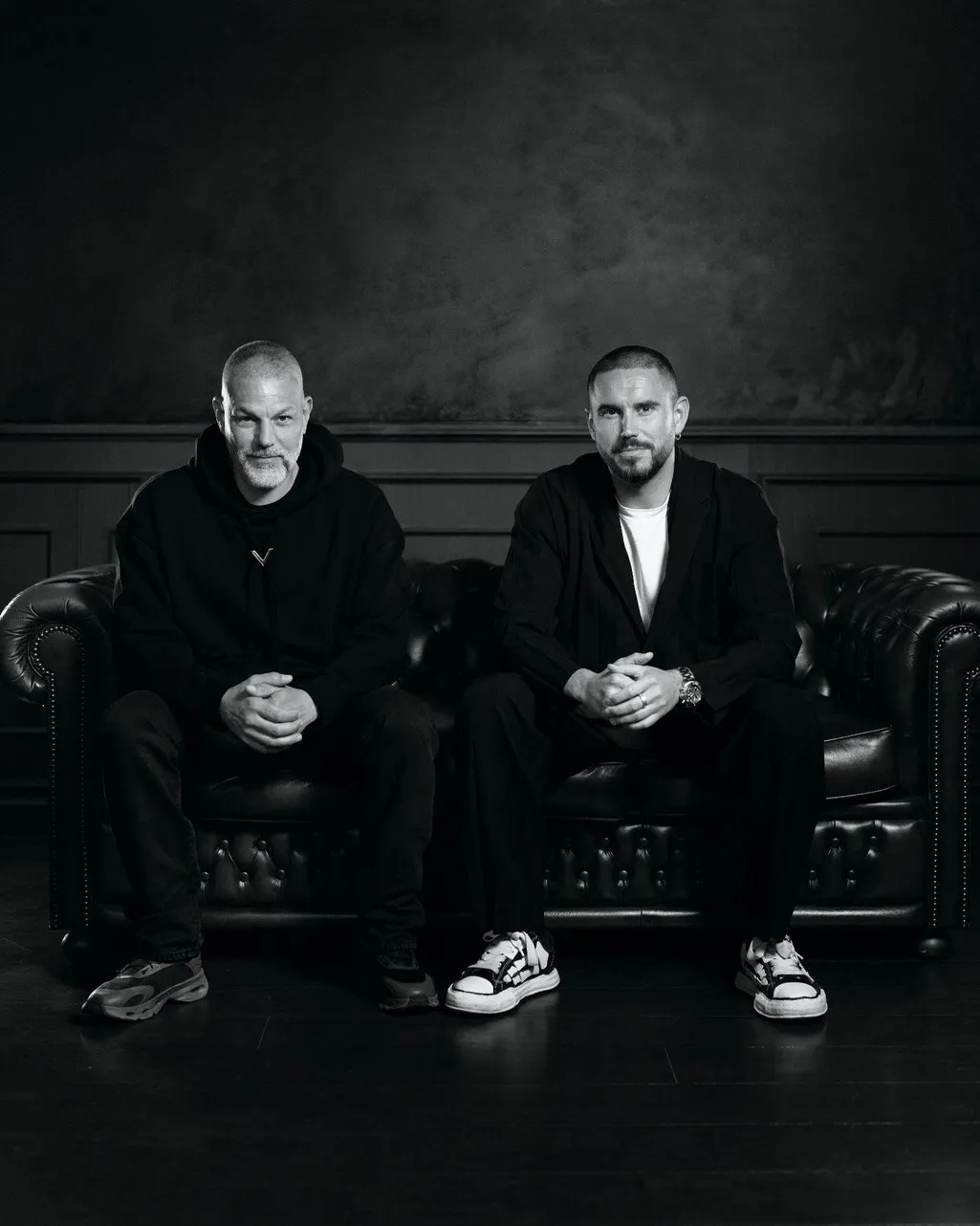
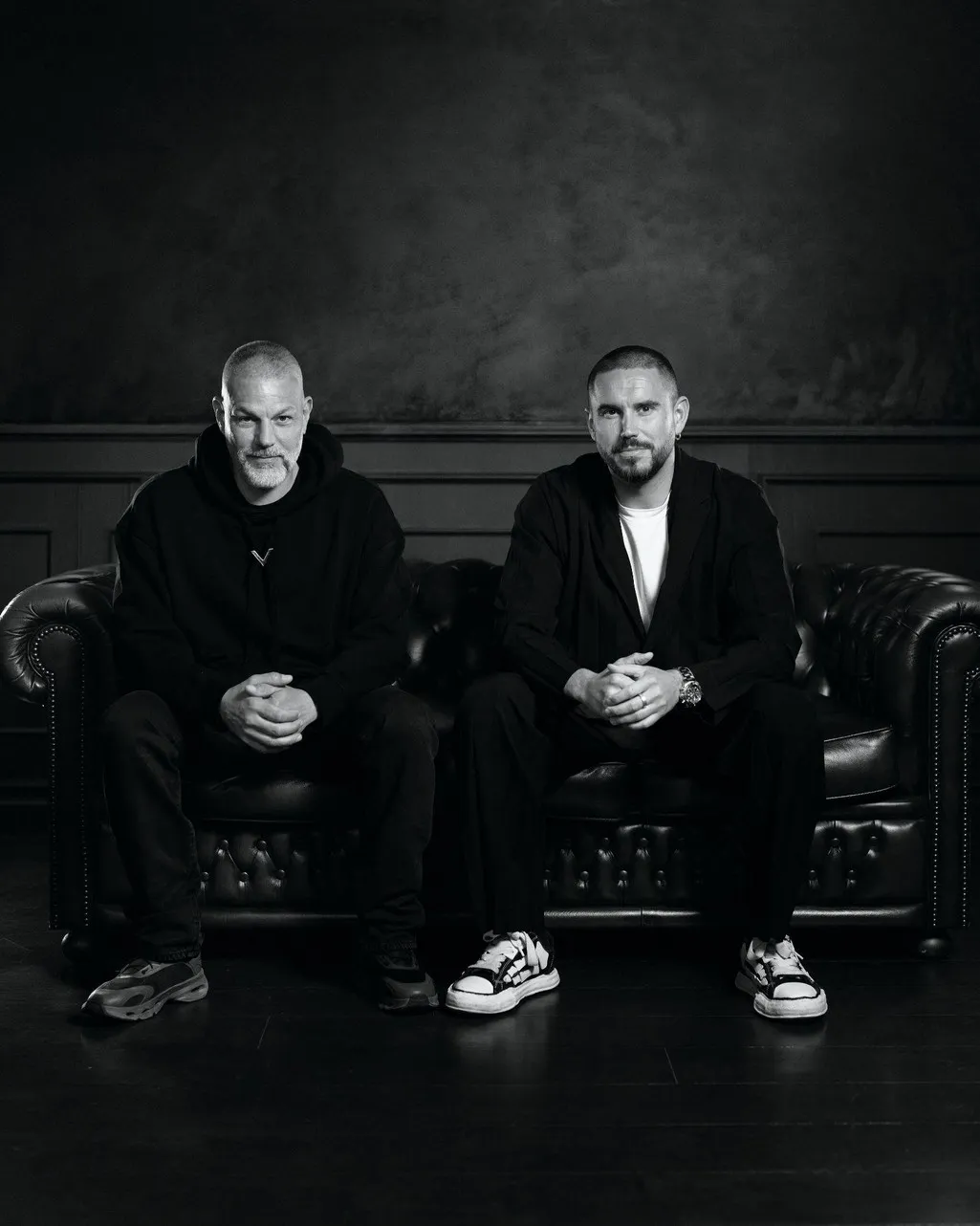
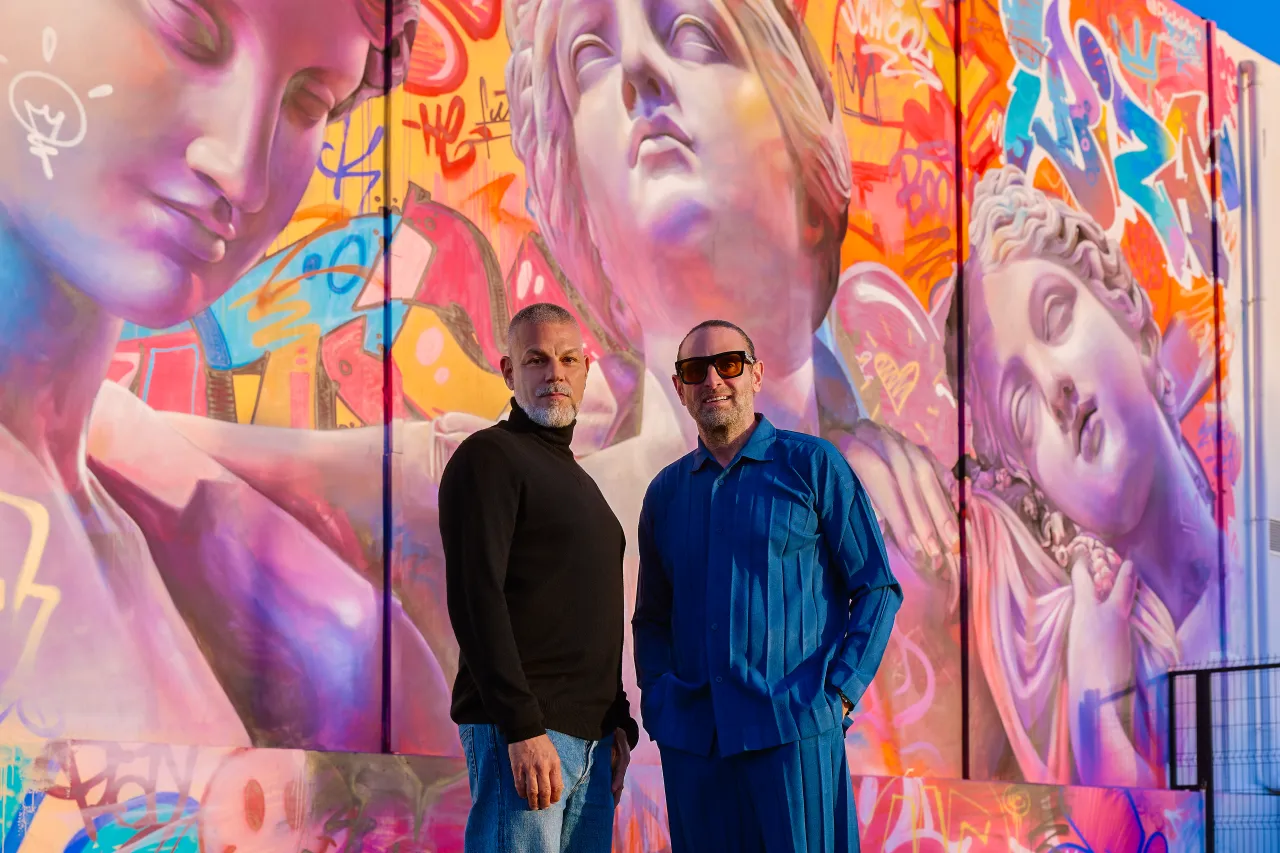
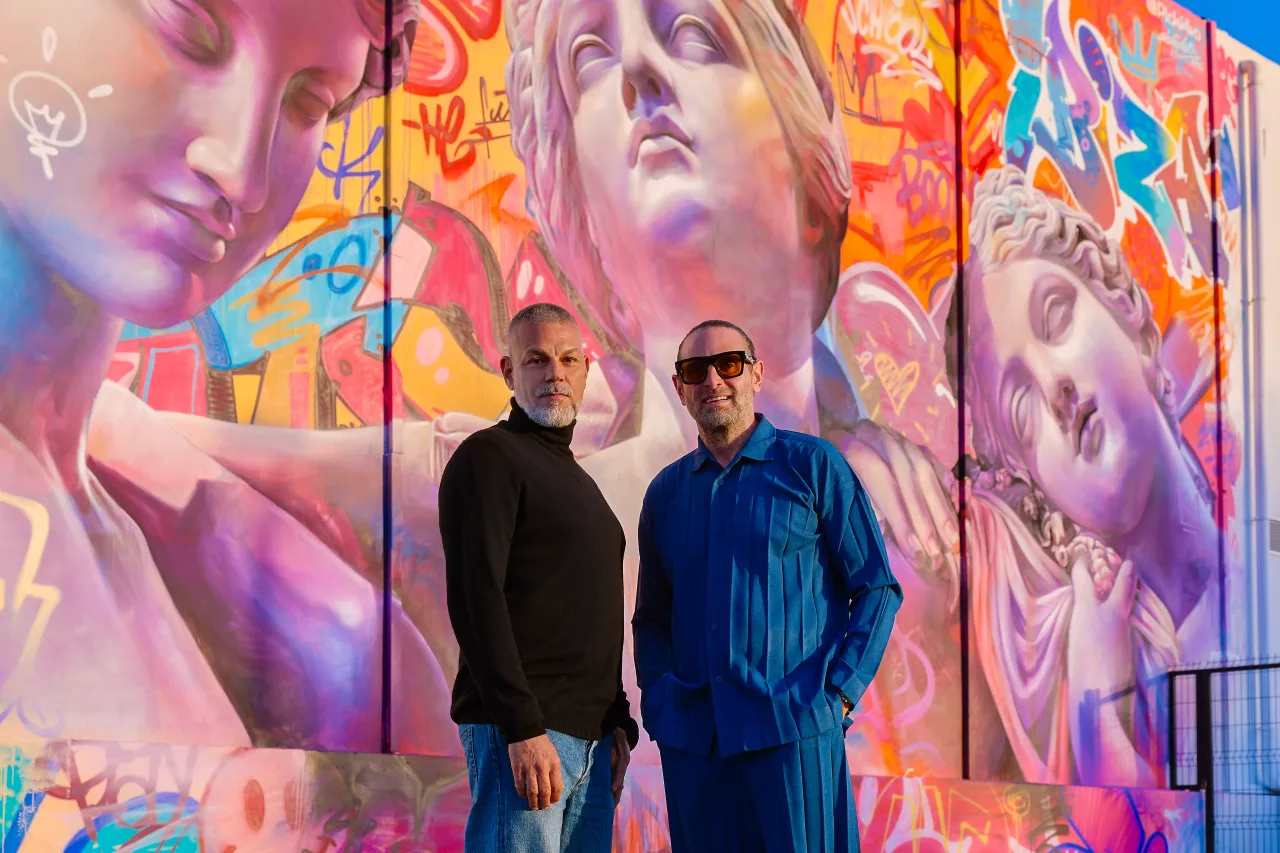
That experience is the starting point for The Ideation Bureau, a studio launched by The Night League’s Yann Pissenem and Sam “Sparrow” Mooney. The founders are bringing work developed around Ibiza venues such as Hï Ibiza, Ushuaïa and [UNVRS] to clients in sport, fashion and culture. The interesting question is how much of that know-how travels when someone else is running the room.
Designing before the doors open
The campaign introducing [UNVRS] started with a clip that appeared to show a UFO near Es Vedrà. Its later reveal involved Will Smith. The launch made the venue a topic of conversation before it was a place people could visit. The gap between the first clip and the reveal did as much work as either piece of footage. It gave the audience time to form and share its own reading of what it had seen.
That kind of pacing can be useful well beyond nightlife. A sports club or fashion label might use it to decide which part of a launch needs explanation and which part can be discovered. The UFO premise belongs to this particular campaign. The transferable skill is knowing how much information to release at each step.
What an operator sees
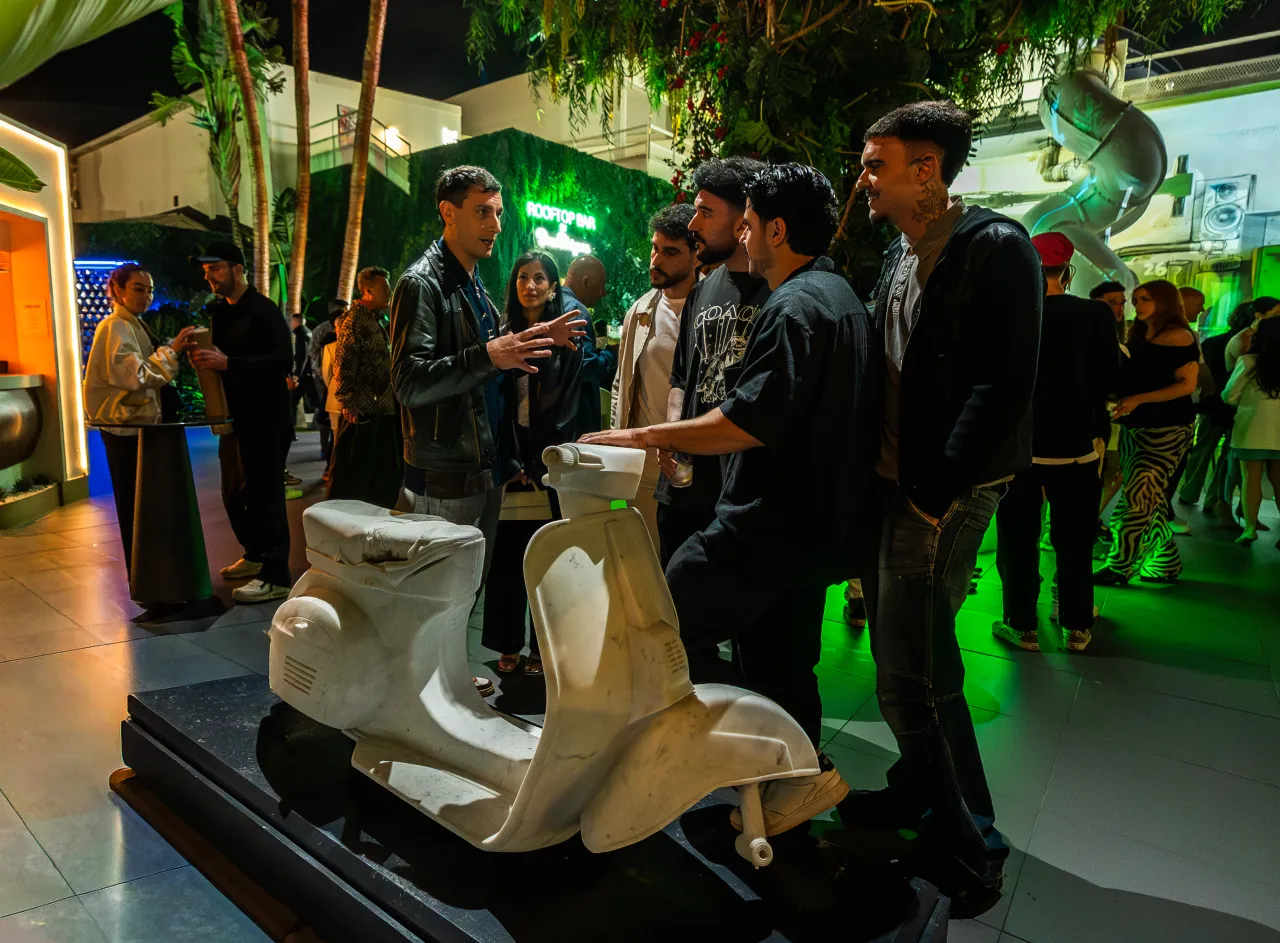
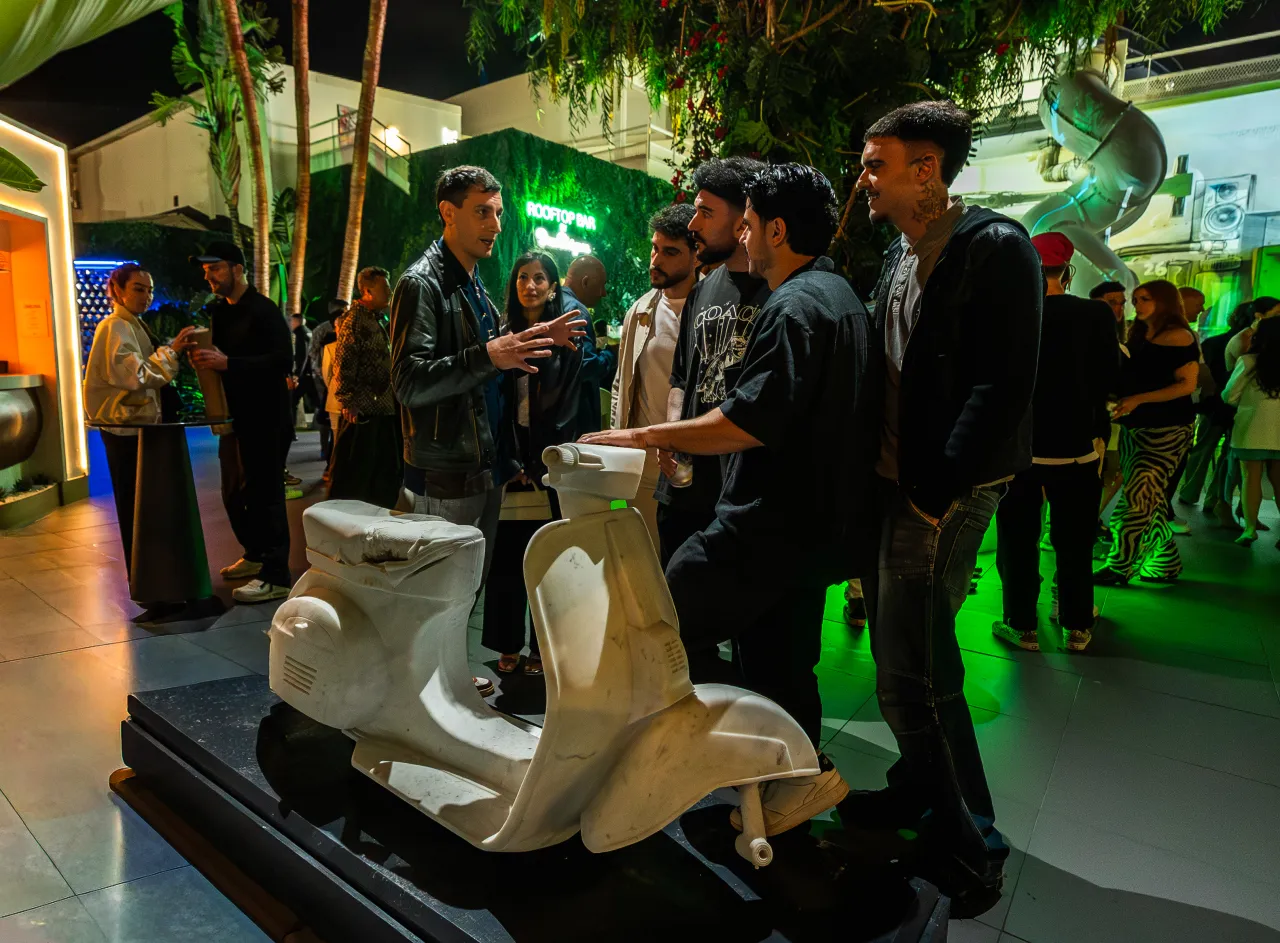
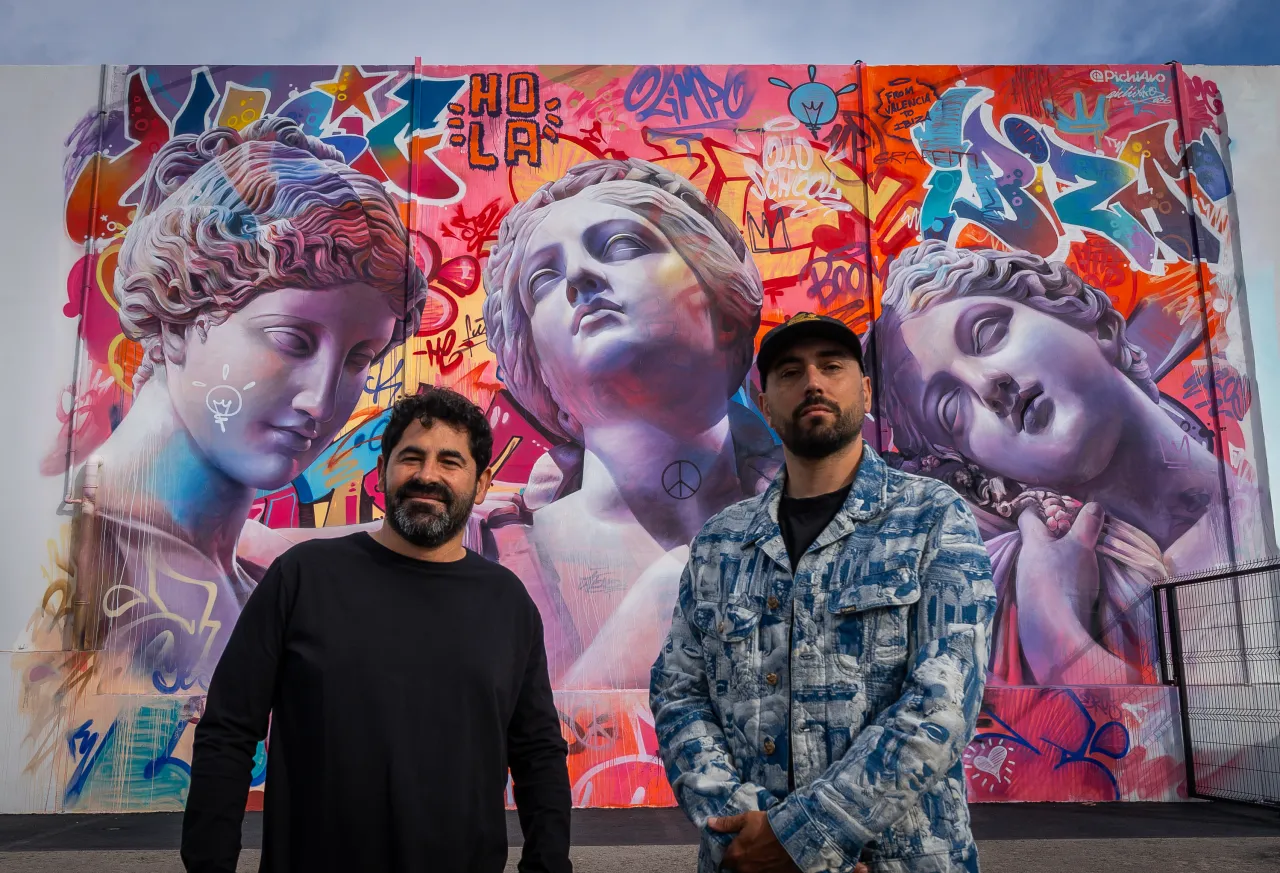
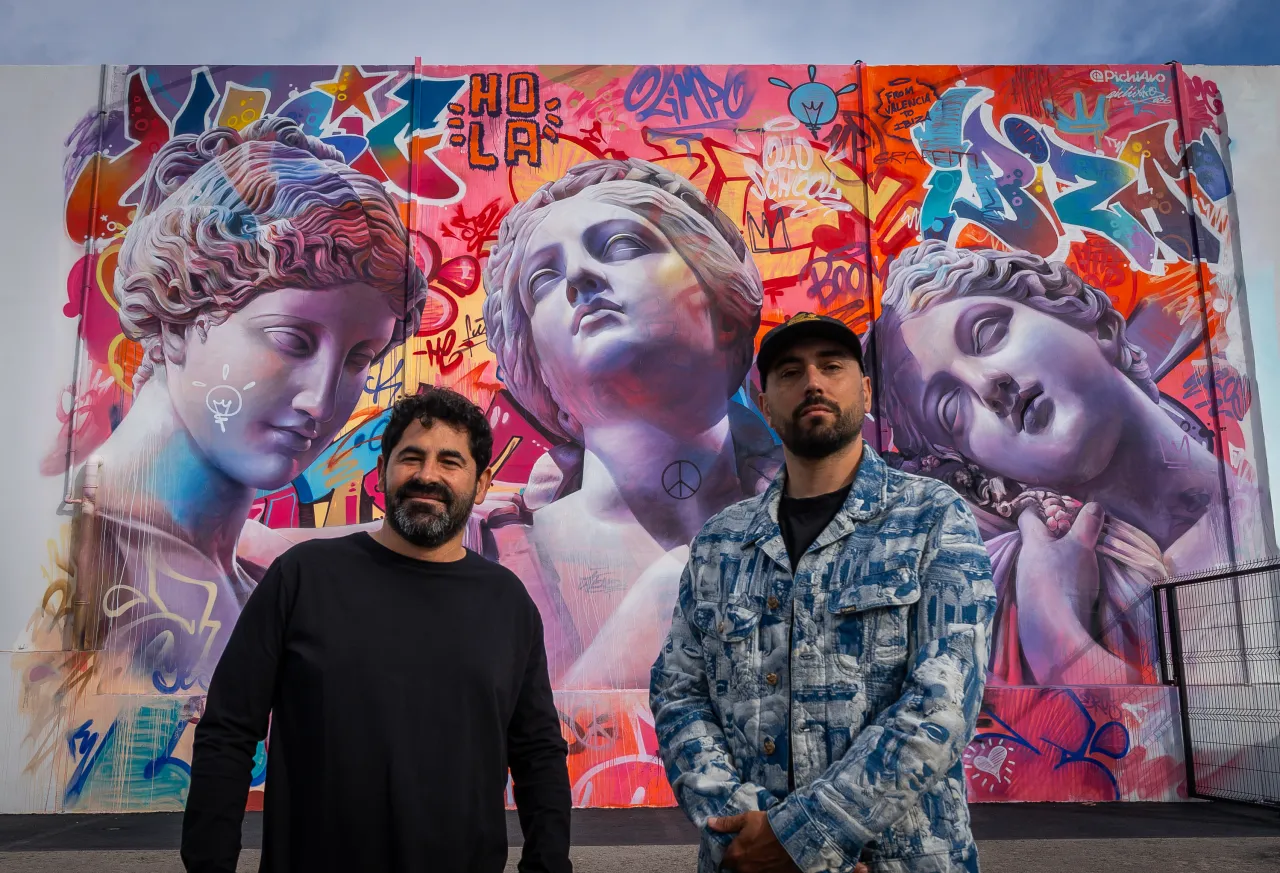
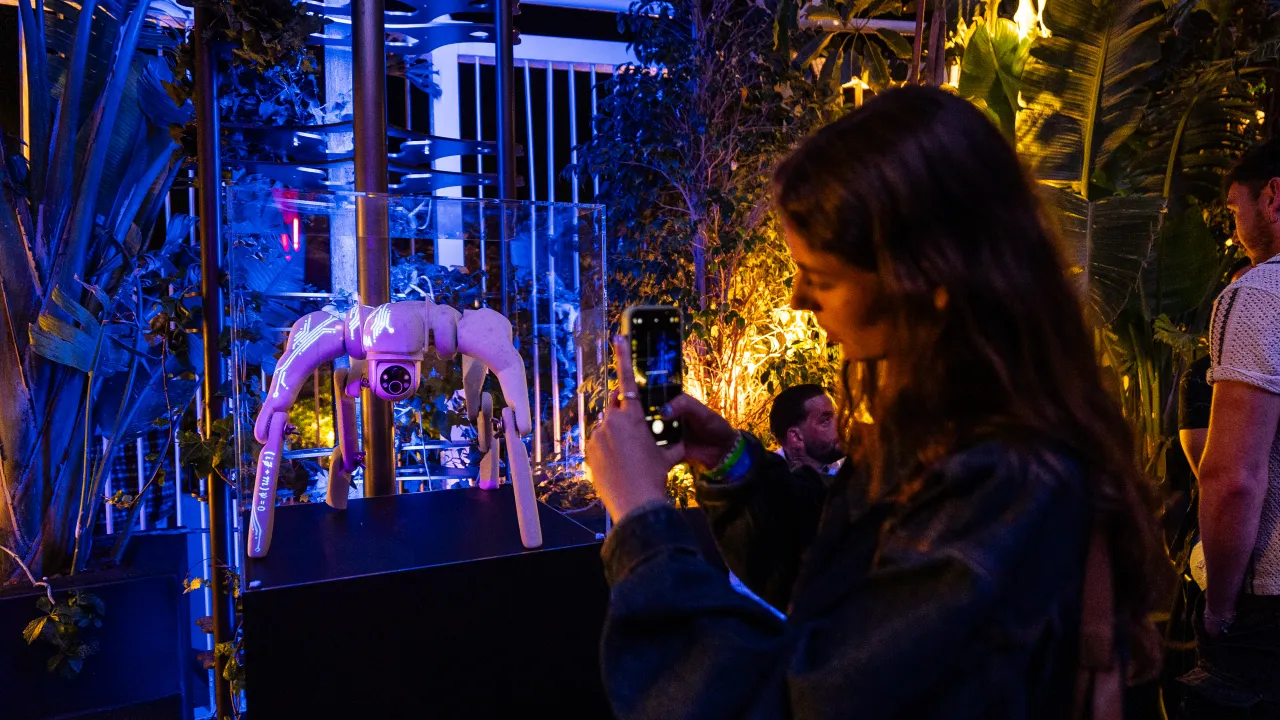
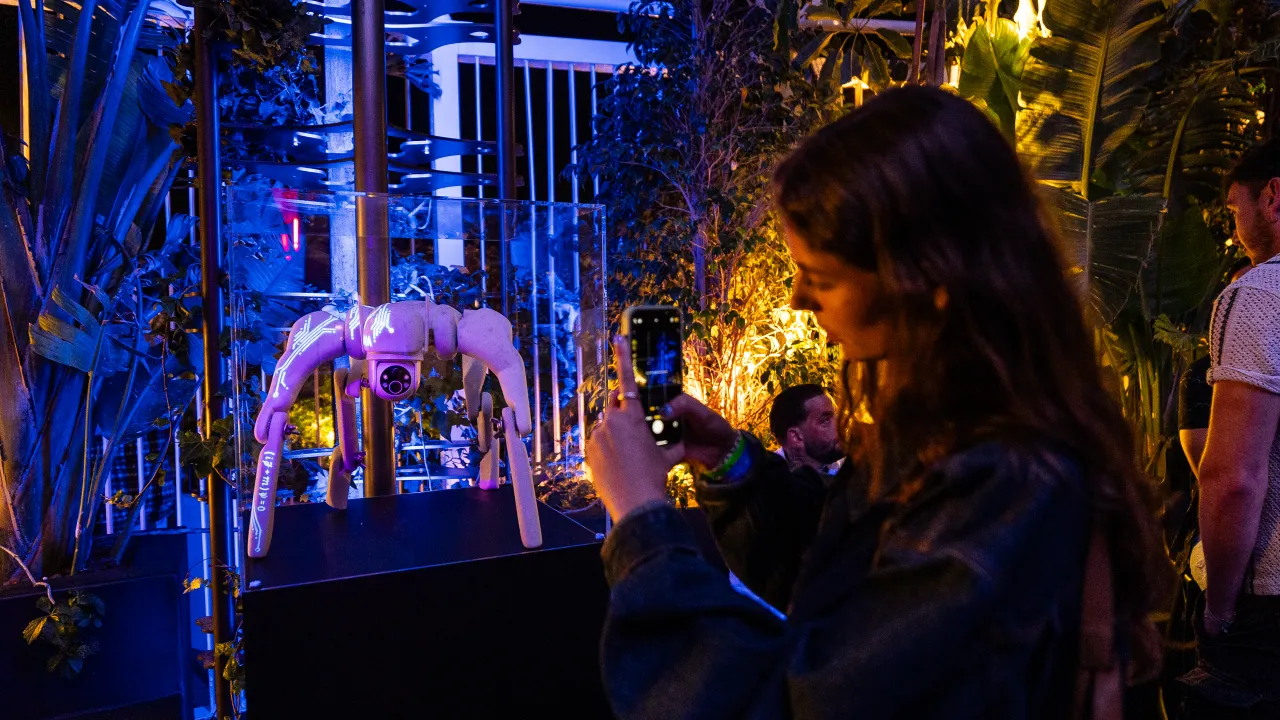
Creative Boom’s reporting points to The Night League’s collaboration with W1 Curates as another example. Putting artwork on the route through a club changes how people meet it. A visitor may encounter a piece on the way to the dance floor, from the edge of a moving crowd or on the way out. The design problem includes how the audience moves, what else it can see and whether it has room to stop.
For clients, that is a useful way to judge the studio’s offer. Look at who will be in the room when the concept reaches production, how the work can change once people interact with it and who will own those decisions. The value of an operator’s perspective shows up in those handoffs, where an idea has to survive contact with a venue, a schedule and an audience.
Sources and image credits
Written by The Hasel Magazine. Background reporting: Tom May, Creative Boom, 28 July 2026. Project link: The Ideation Bureau.
Founders’ portrait sourced from the Creative Boom feature, which names the subjects and gives no photographer credit. The four project photographs are credited by Creative Boom to W1 Curates / The Night League. Each caption links to its original image.