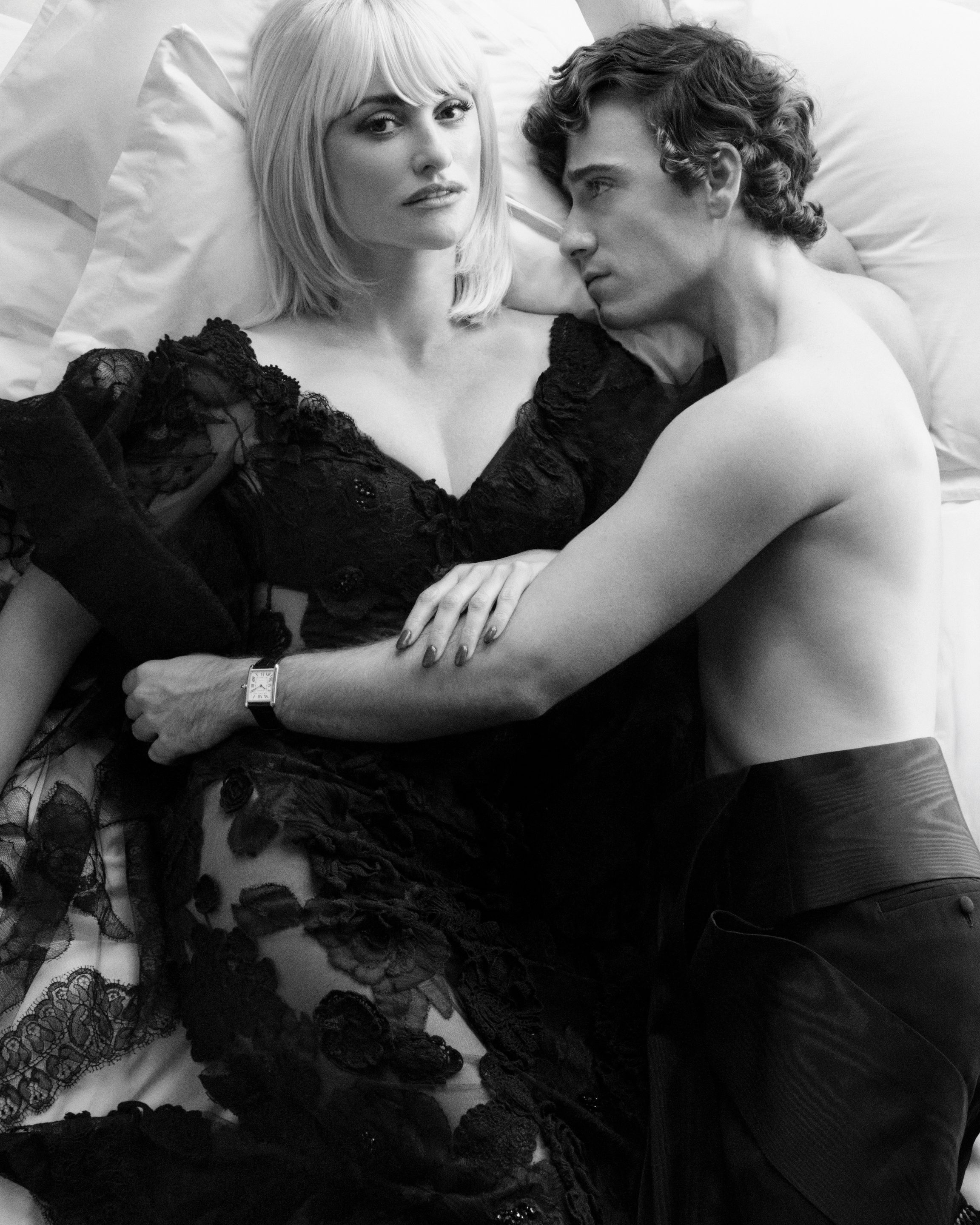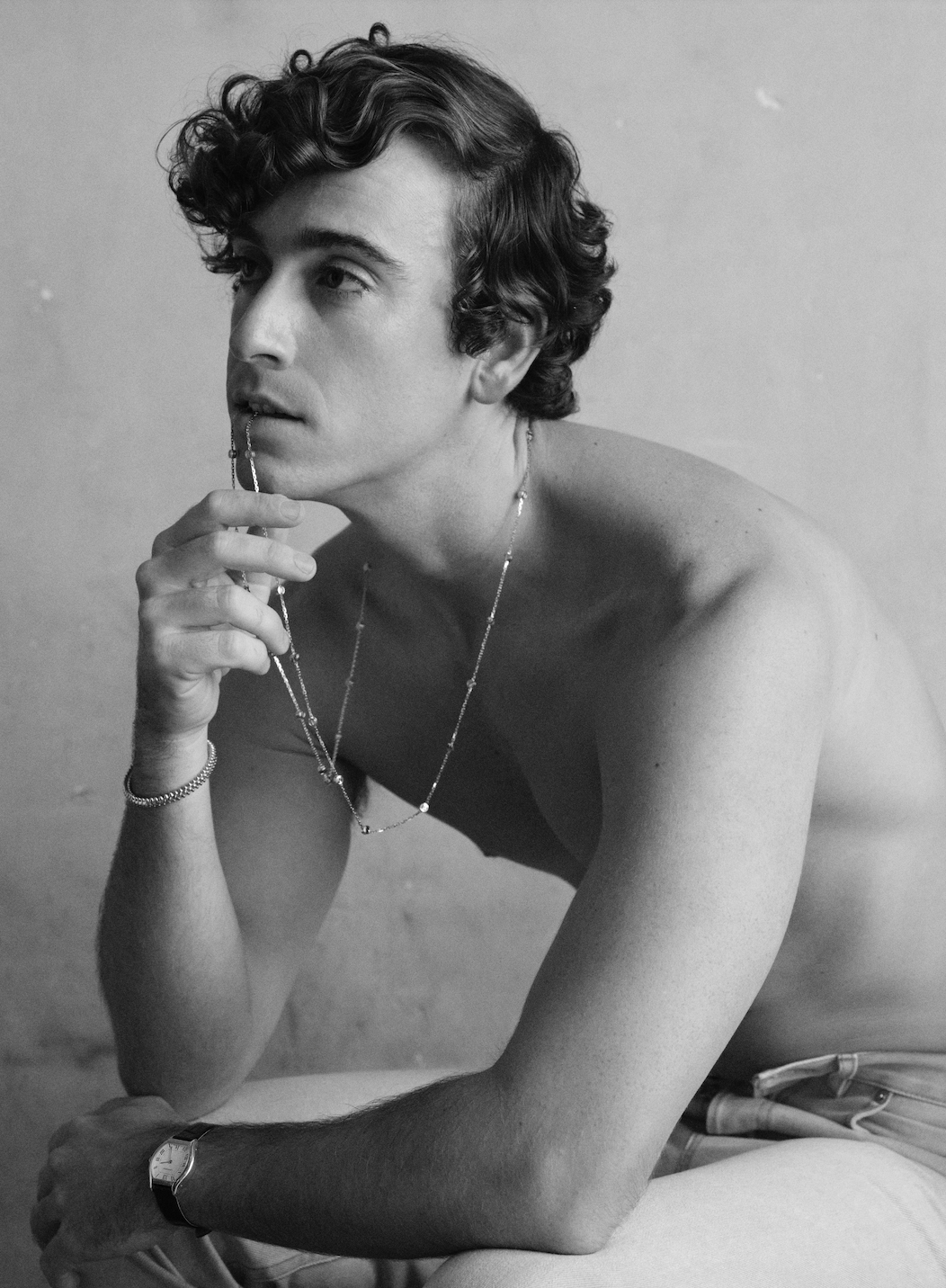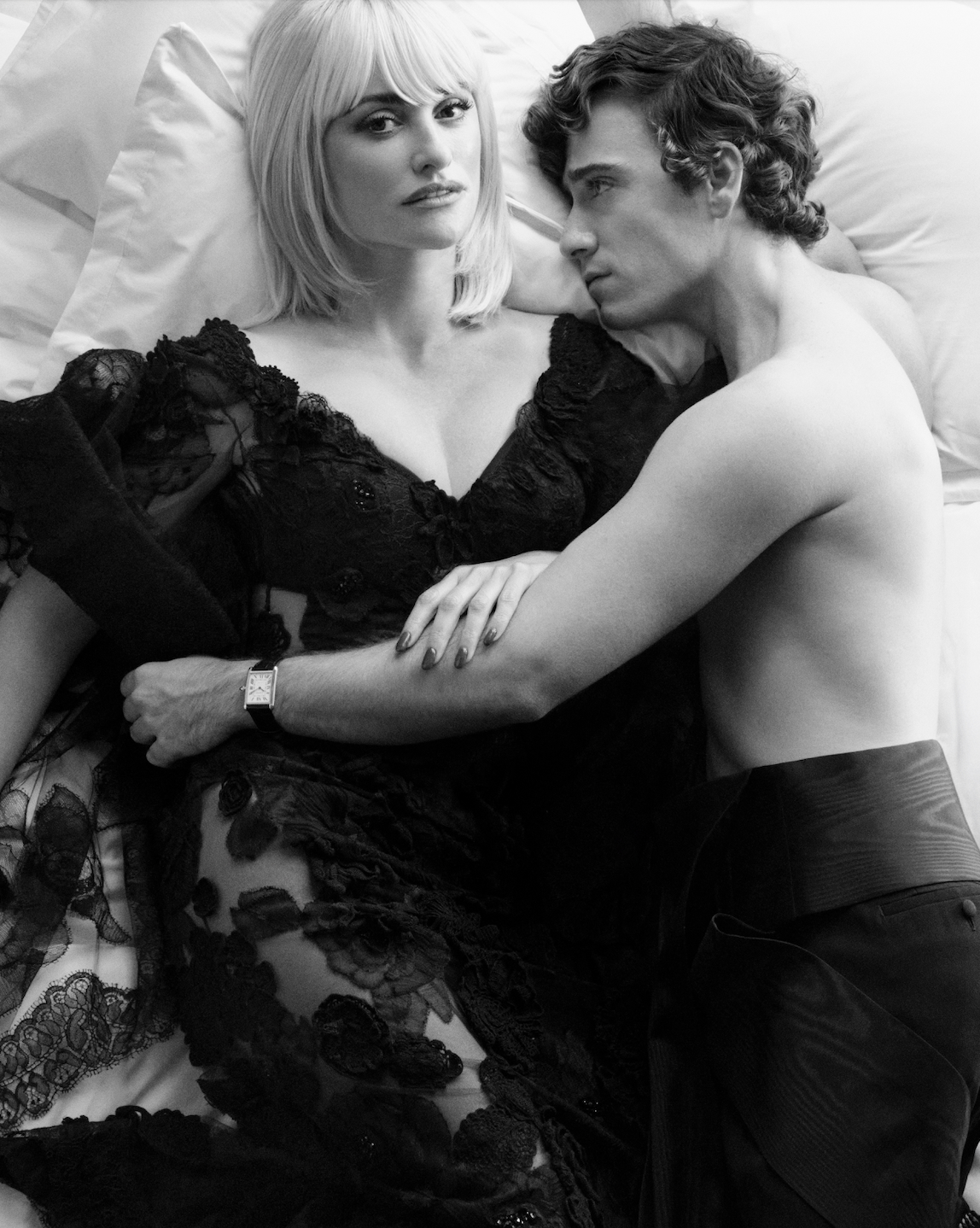
For La Bola Negra, the directors Javier Ambrossi and Javier Calvo pair one of Spain’s most recognizable actors with a musician making his film debut. Penélope Cruz plays Nené Romero, a stage singer. Álvaro Lafuente Calvo, who records as Guitarricadelafuente, plays Sebastián, a young man coming to terms with his sexuality as Spain descends into civil war. Nené sees in him someone who needs to hear that a different life is possible.
A story carried across generations
The film takes its title from an unfinished work by Federico García Lorca and also draws on Alberto Conejero’s play La piedra oscura. Ambrossi and Calvo, who wrote the screenplay with Conejero, move between 1932, 1937 and 2017. That structure leaves room for a question that a single period setting might close off. What does a later generation inherit when the people who came before it were denied the chance to tell their own stories?
In Lee Daniels’s conversation with the actors for V Magazine, Lafuente Calvo describes finding an unexpected point of contact with Sebastián in his grandfather’s experience of forced conscription. Cruz, meanwhile, talks about how quickly Nené recognizes someone in her audience who might understand her. One actor reaches into family memory. The other pays attention to a look exchanged in a room full of people. Both offer ways into a history that can otherwise feel distant.
V163 in photographs
21 frames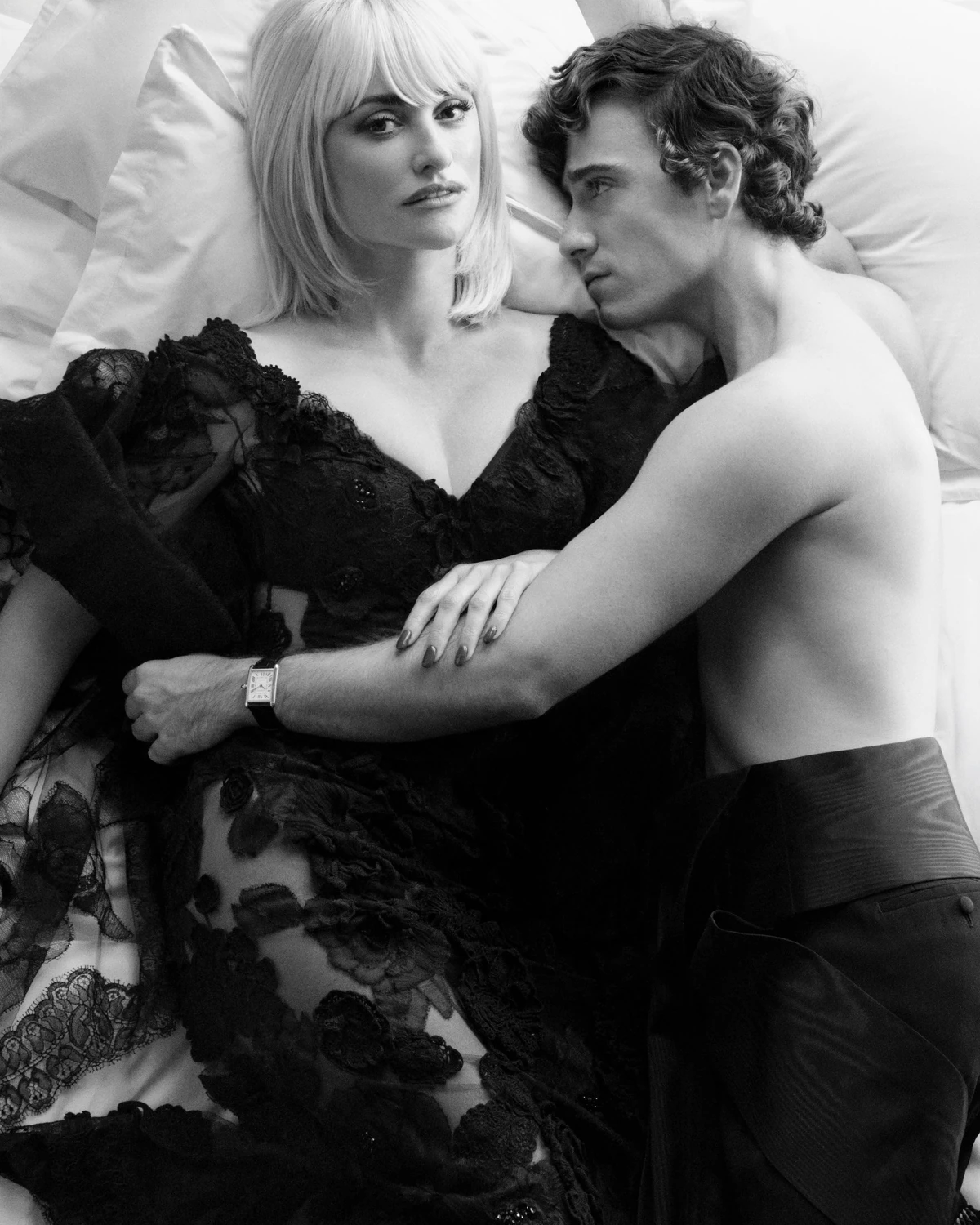
01 · Alvaro Beamud Cortés for V Magazine, V163Original image 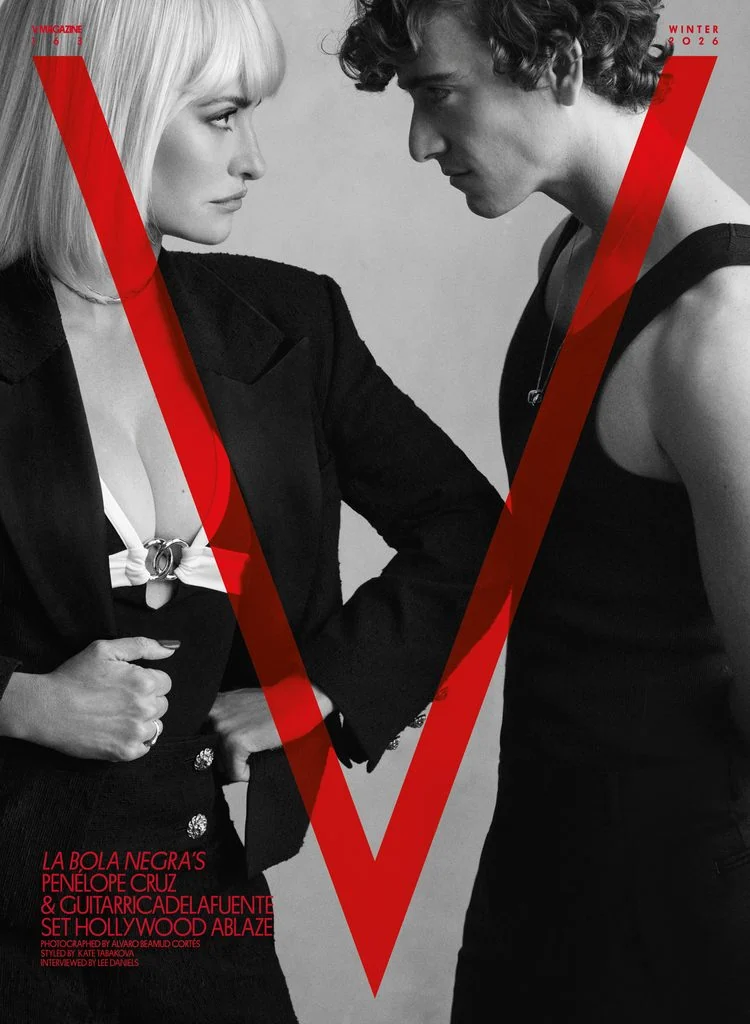
02 · Alvaro Beamud Cortés for V Magazine, V163Original image 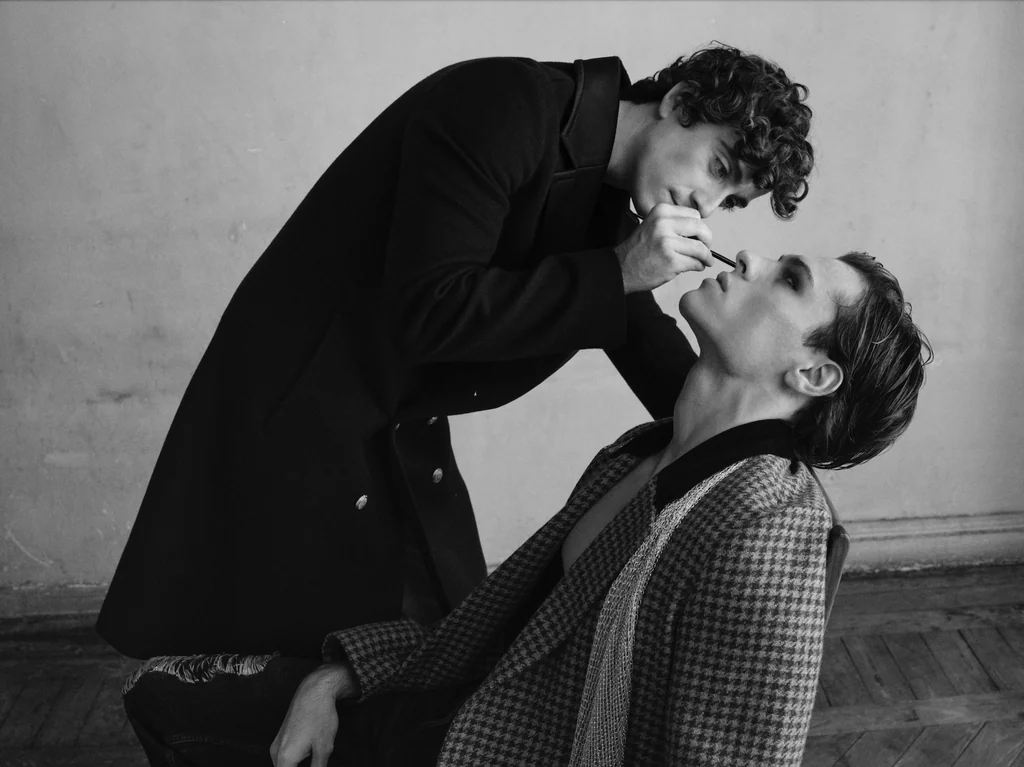
03 · Alvaro Beamud Cortés for V Magazine, V163Original image 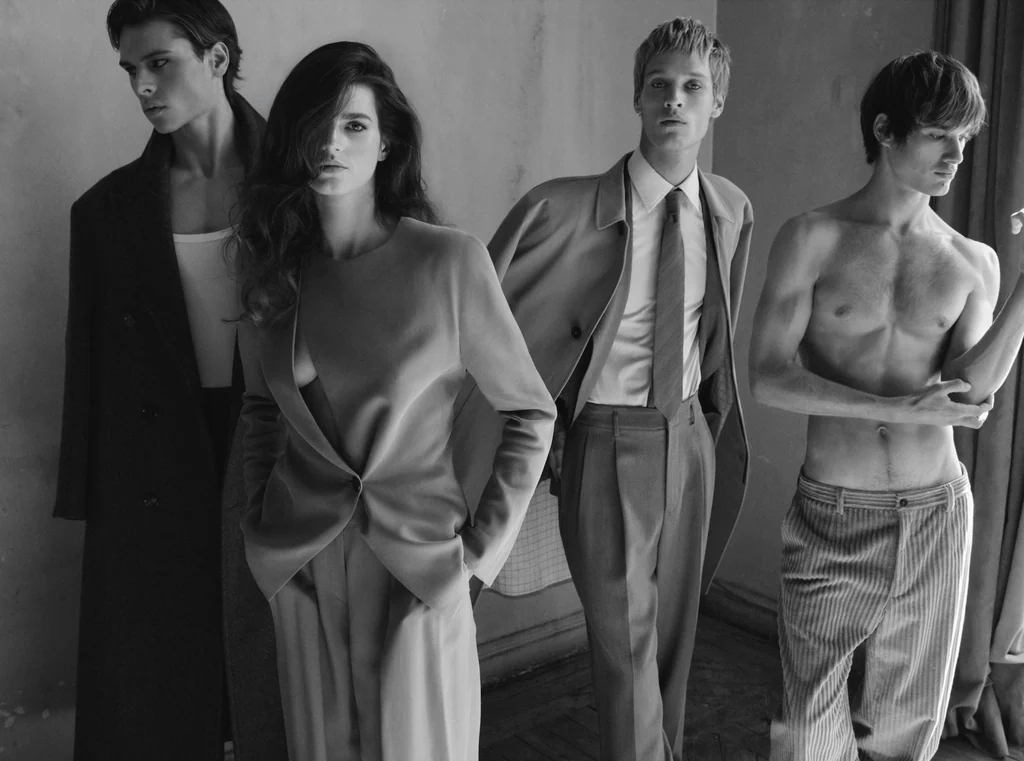
04 · Alvaro Beamud Cortés for V Magazine, V163Original image 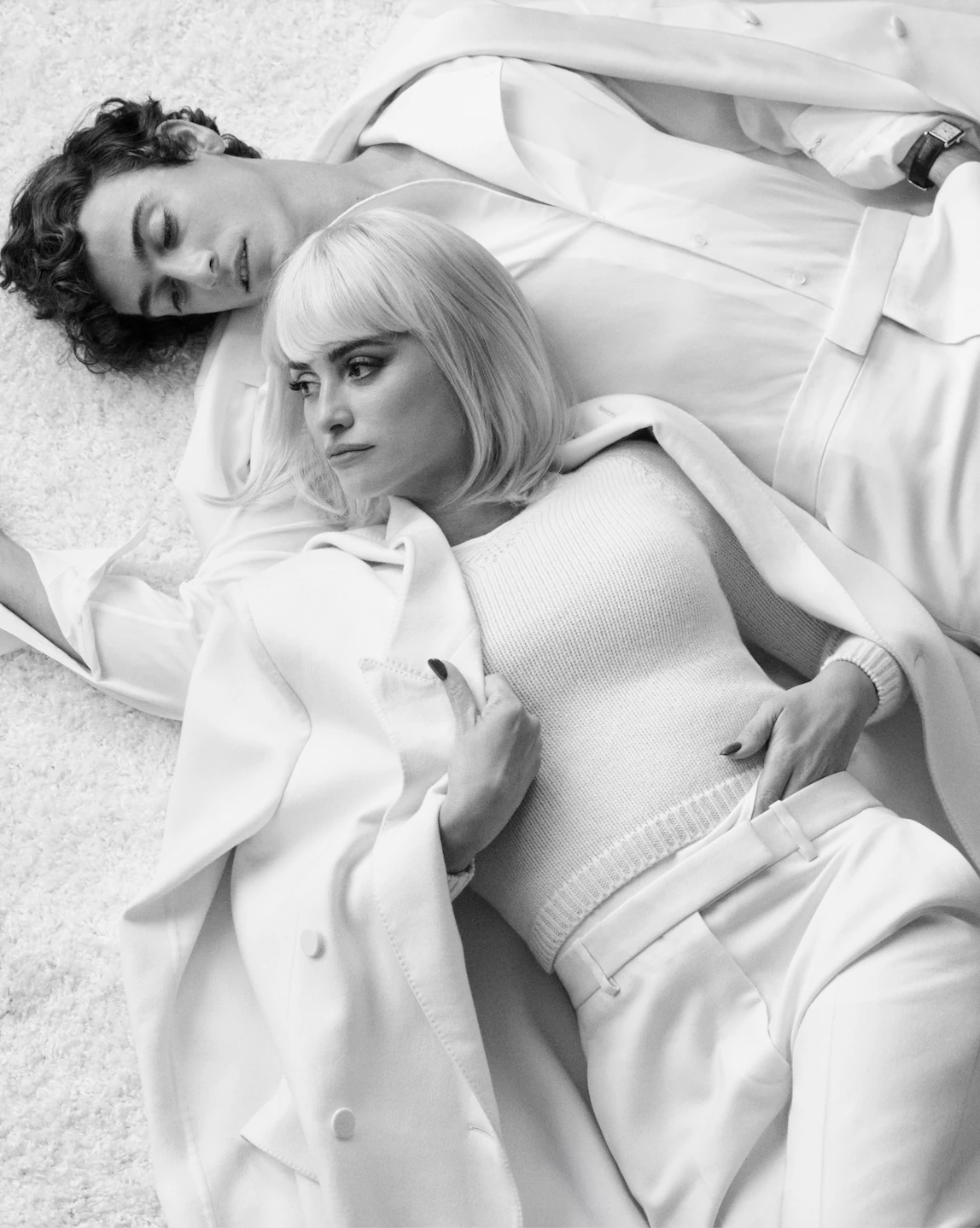
05 · Alvaro Beamud Cortés for V Magazine, V163Original image 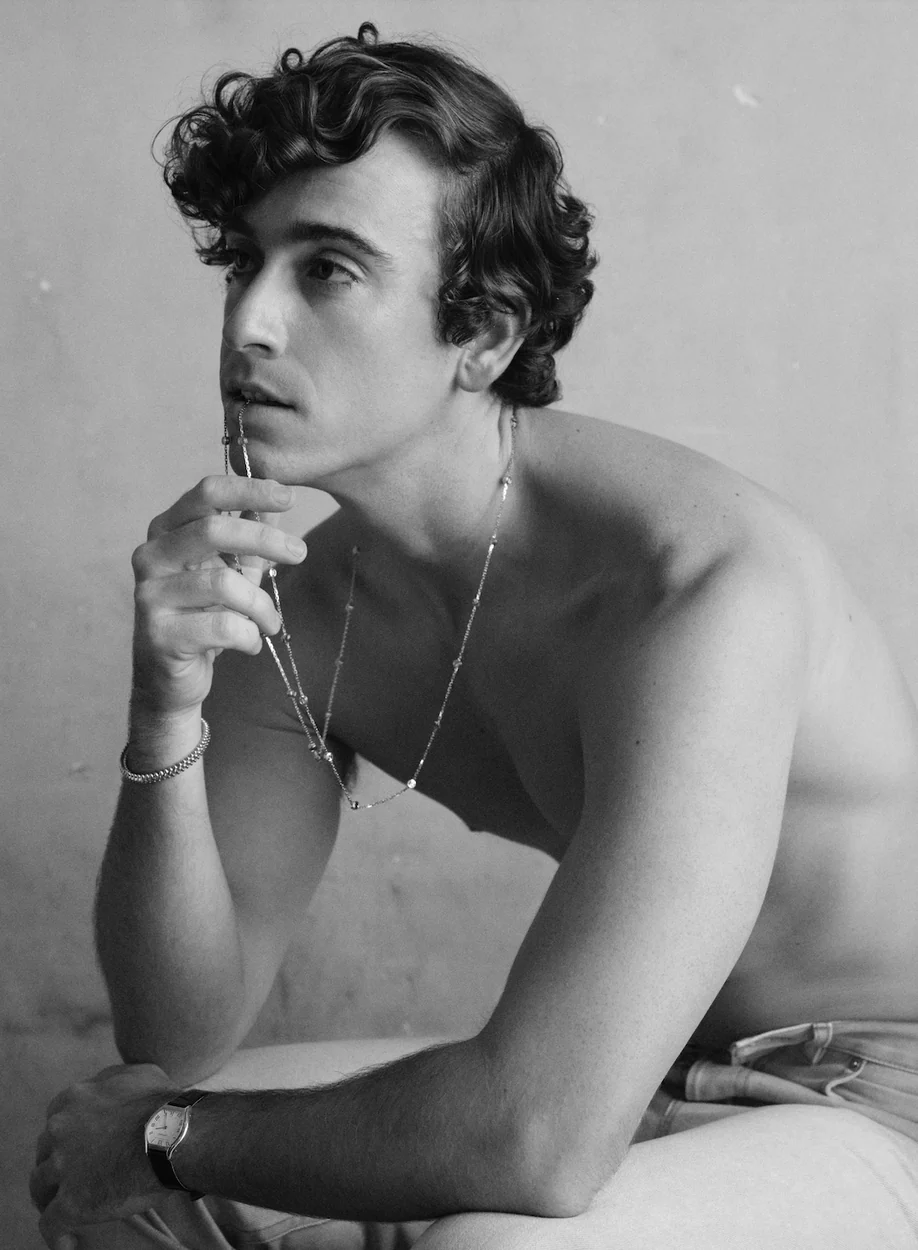
06 · Alvaro Beamud Cortés for V Magazine, V163Original image 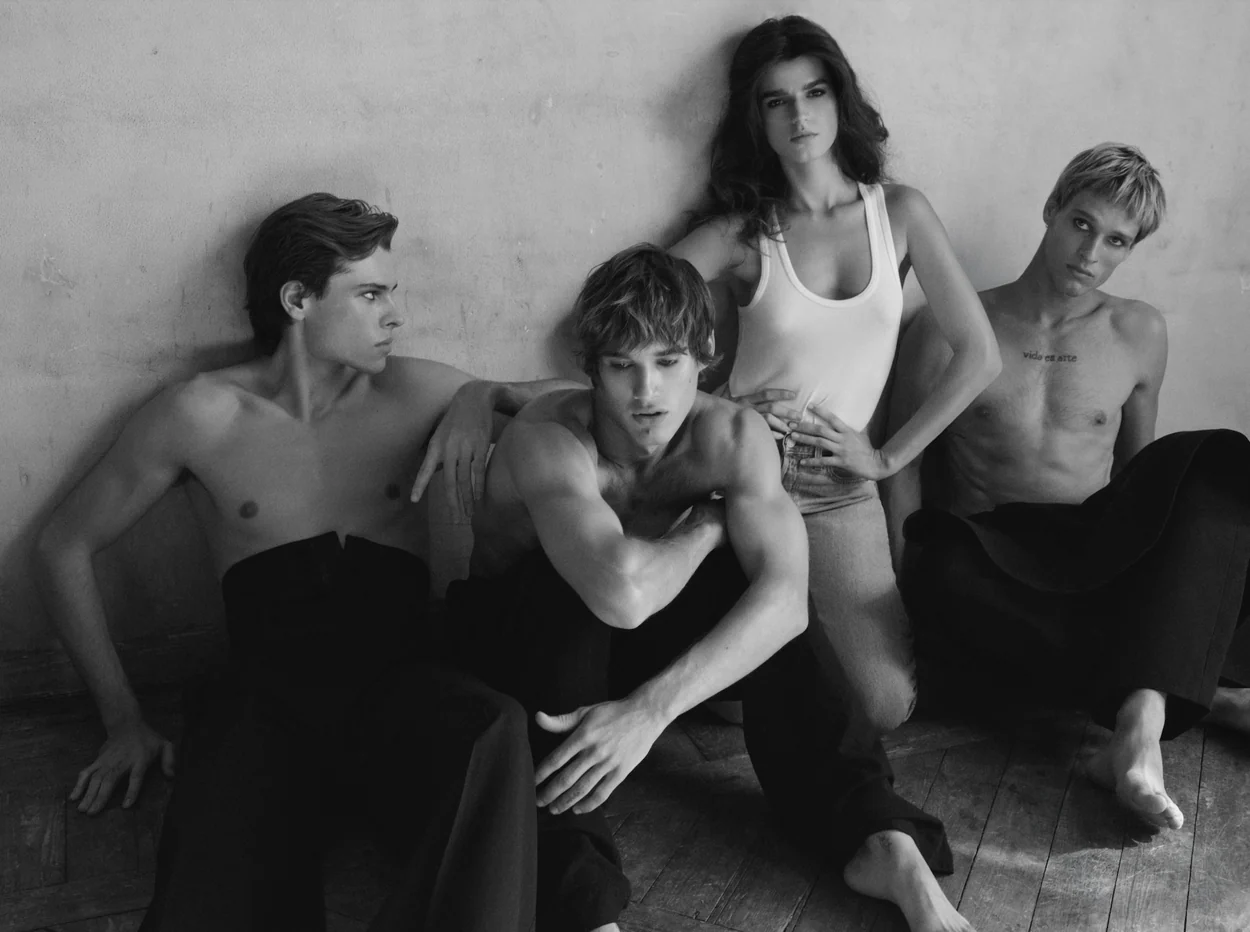
07 · Alvaro Beamud Cortés for V Magazine, V163Original image 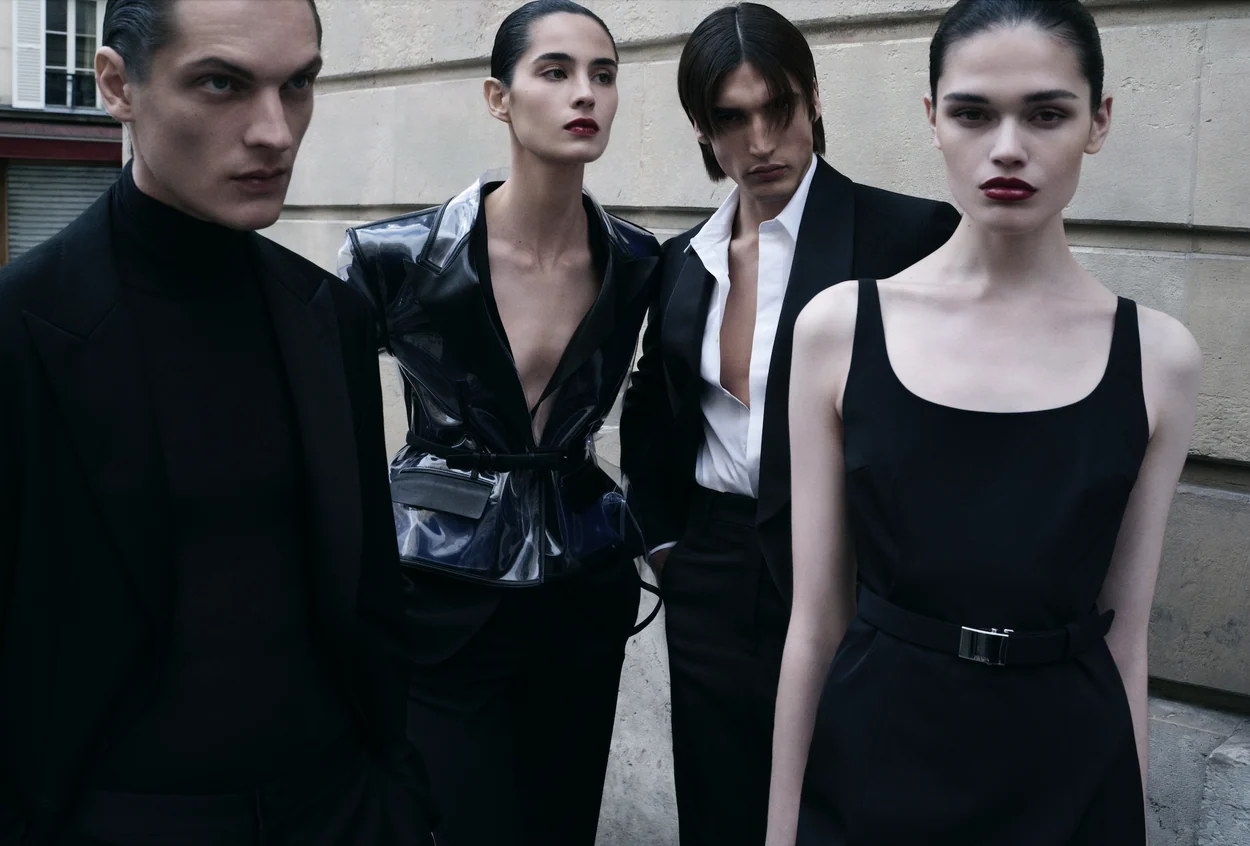
08 · Alvaro Beamud Cortés for V Magazine, V163Original image 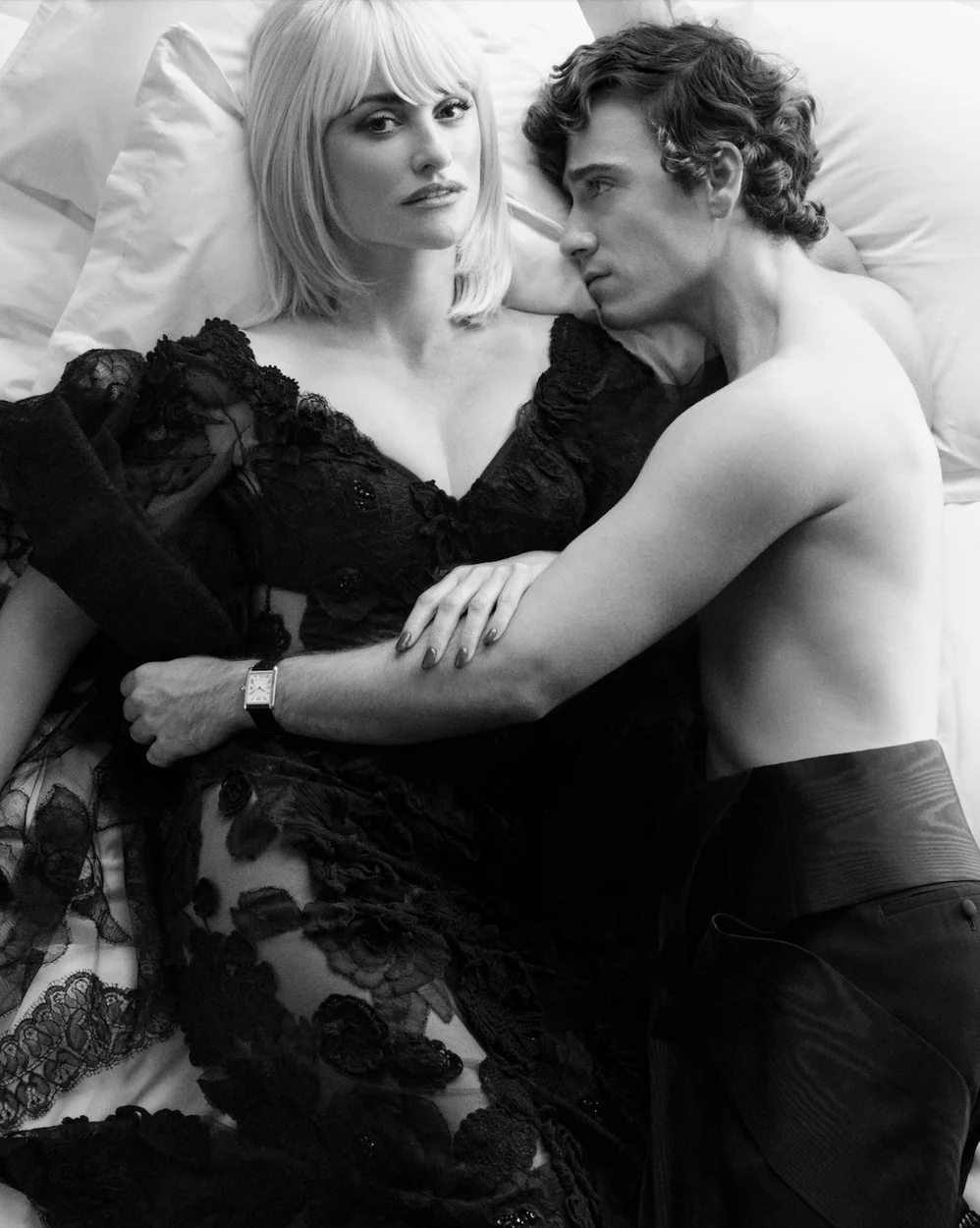
09 · Alvaro Beamud Cortés for V Magazine, V163Original image 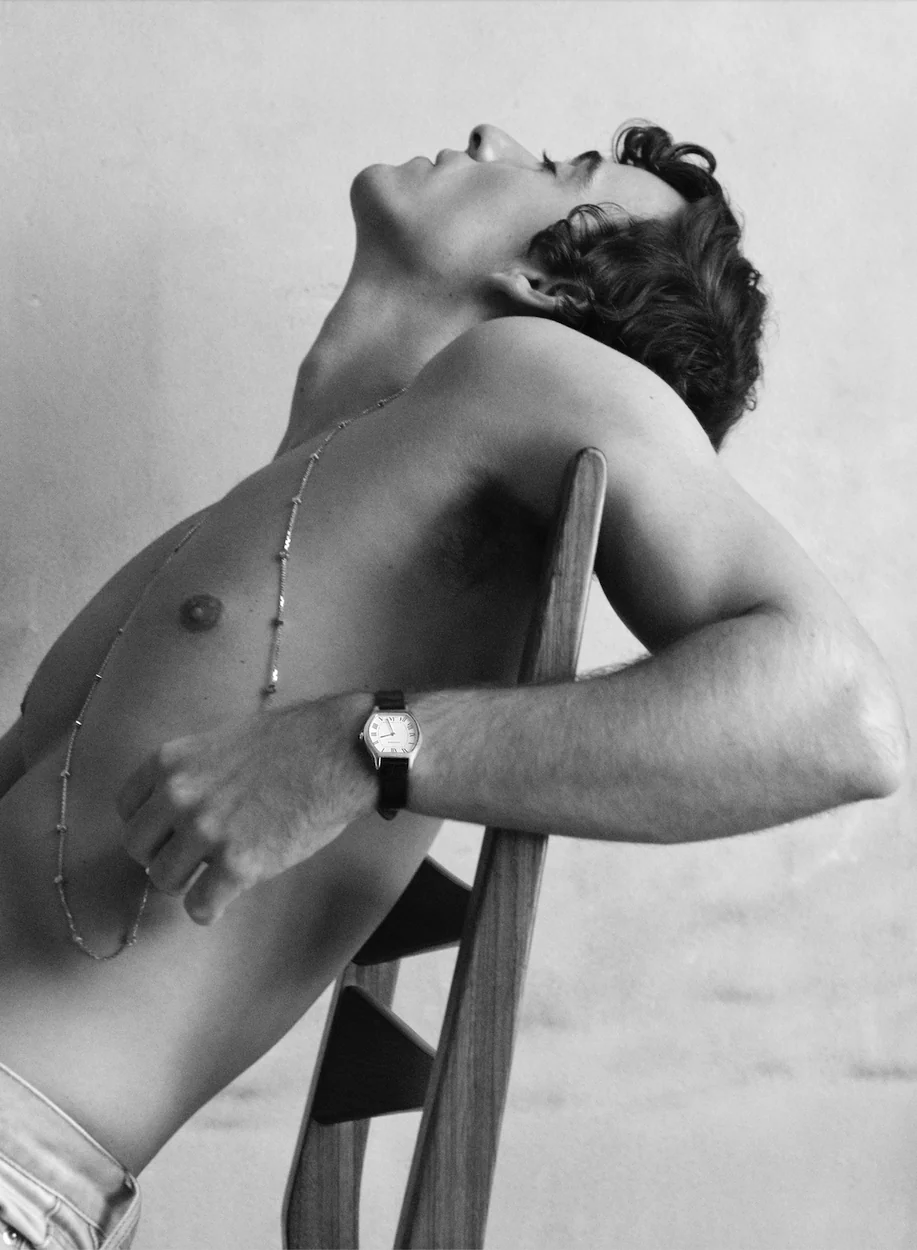
10 · Alvaro Beamud Cortés for V Magazine, V163Original image 
11 · Alvaro Beamud Cortés for V Magazine, V163Original image 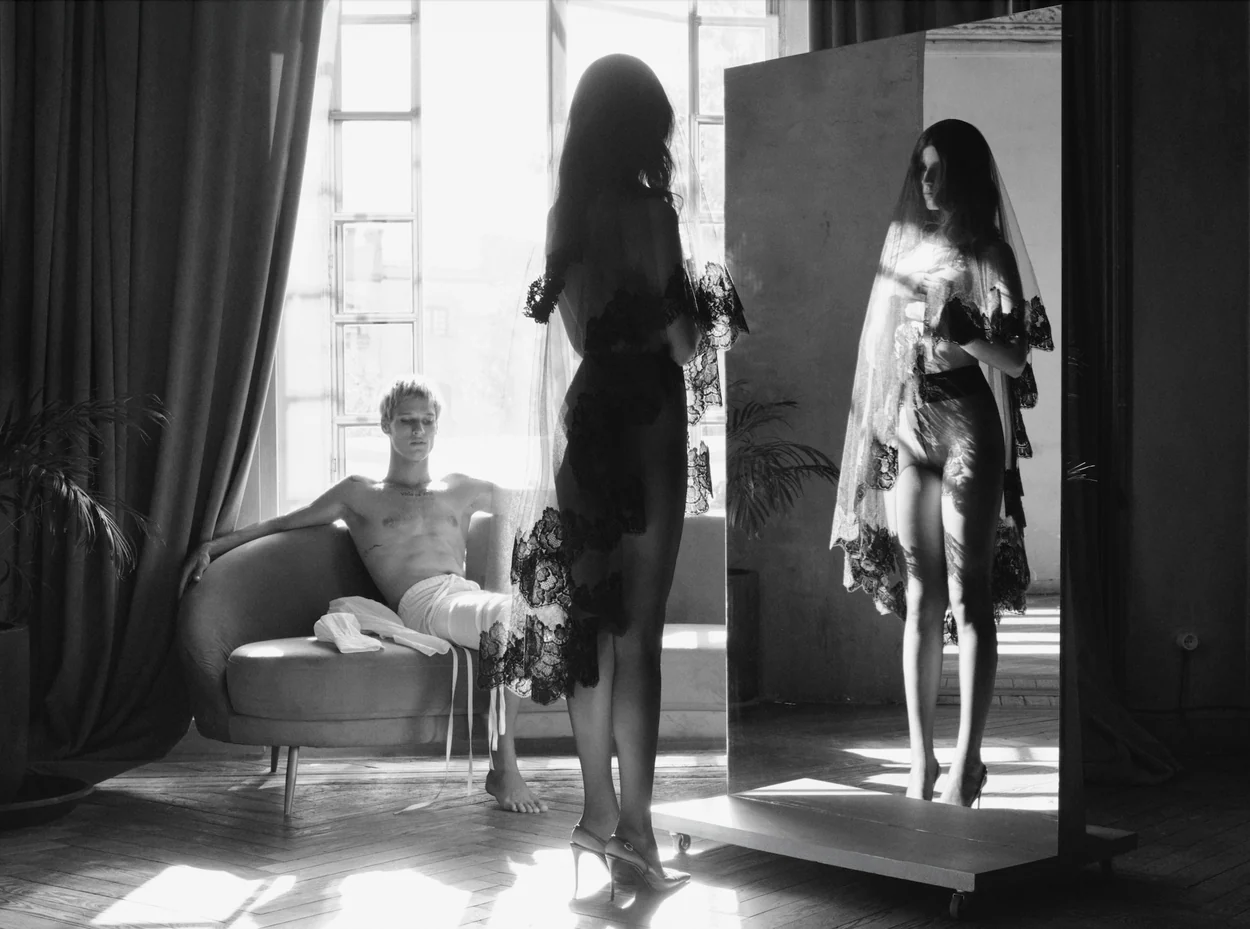
12 · Alvaro Beamud Cortés for V Magazine, V163Original image 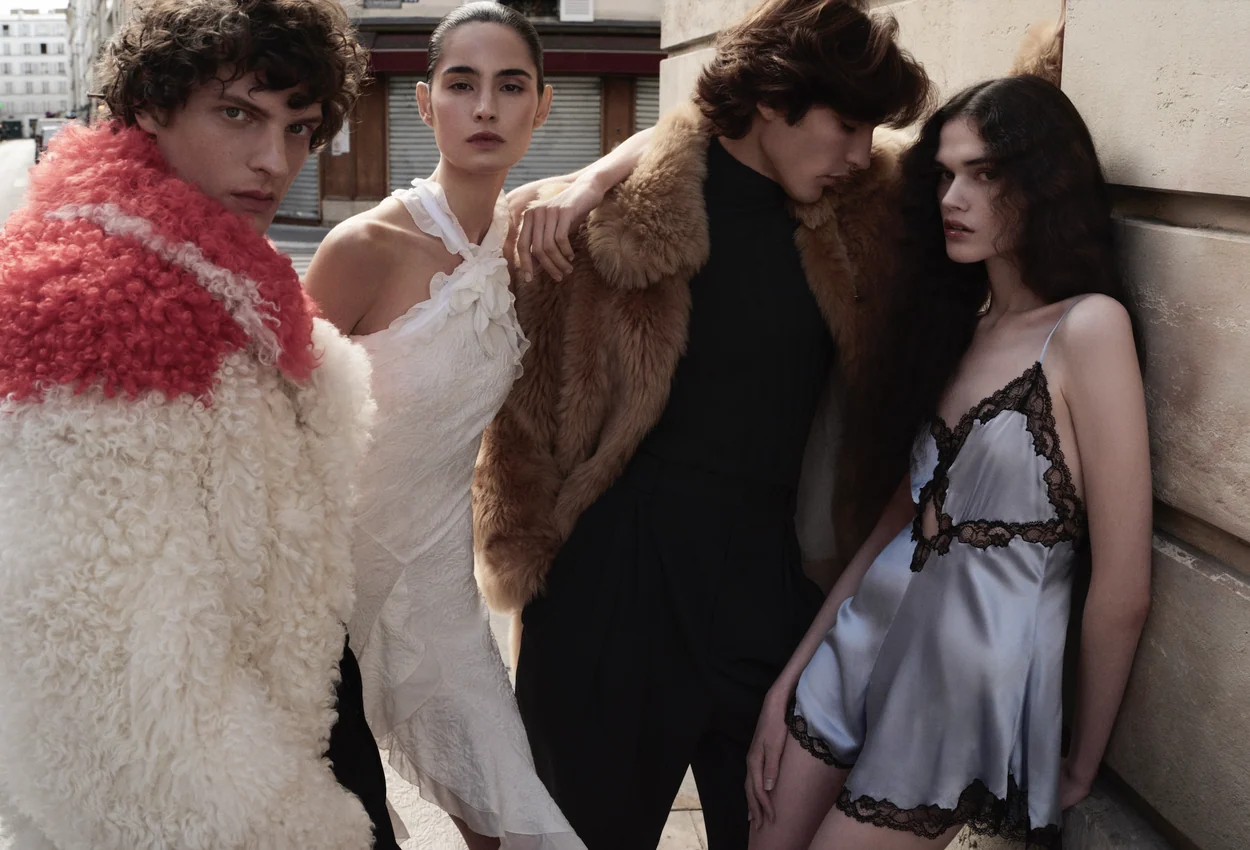
13 · Alvaro Beamud Cortés for V Magazine, V163Original image 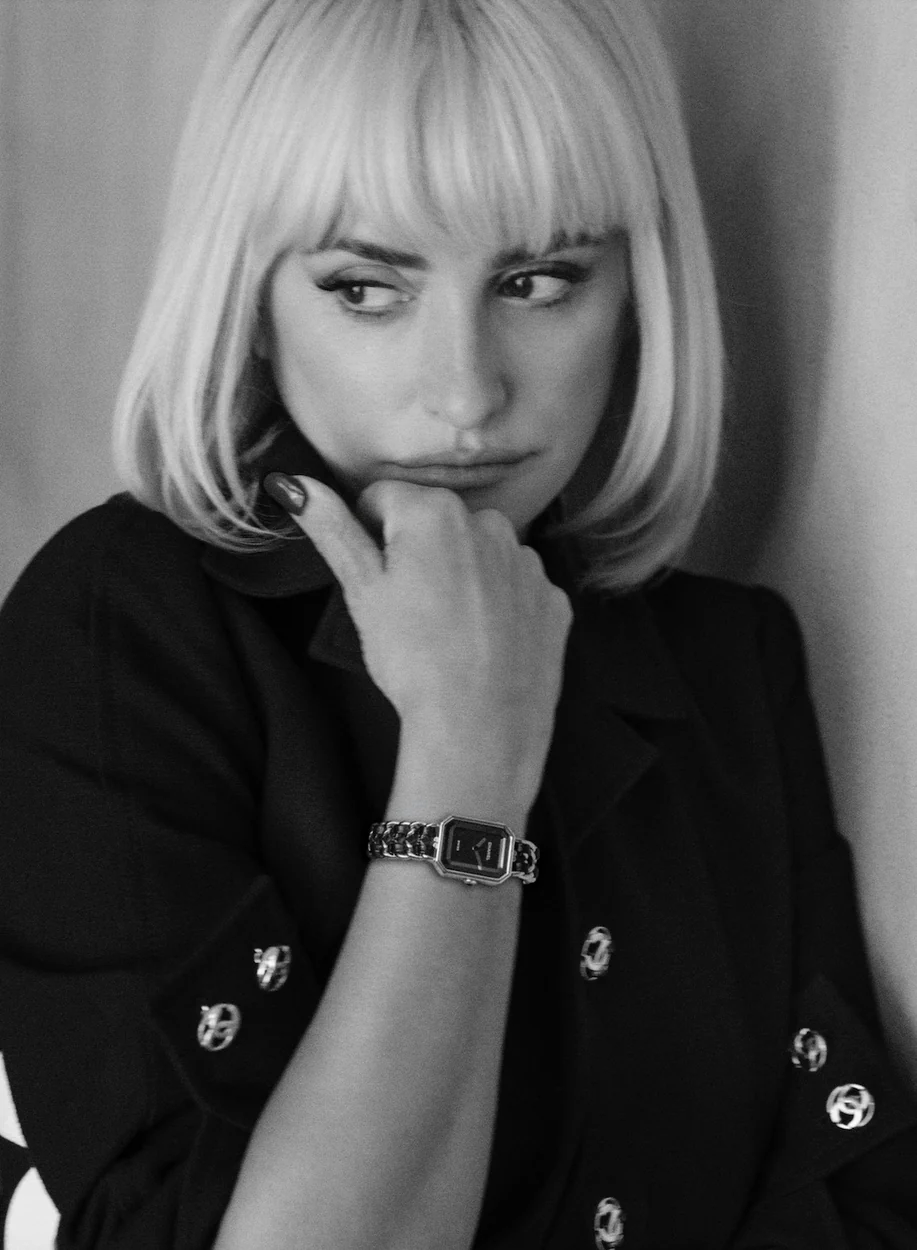
14 · Alvaro Beamud Cortés for V Magazine, V163Original image 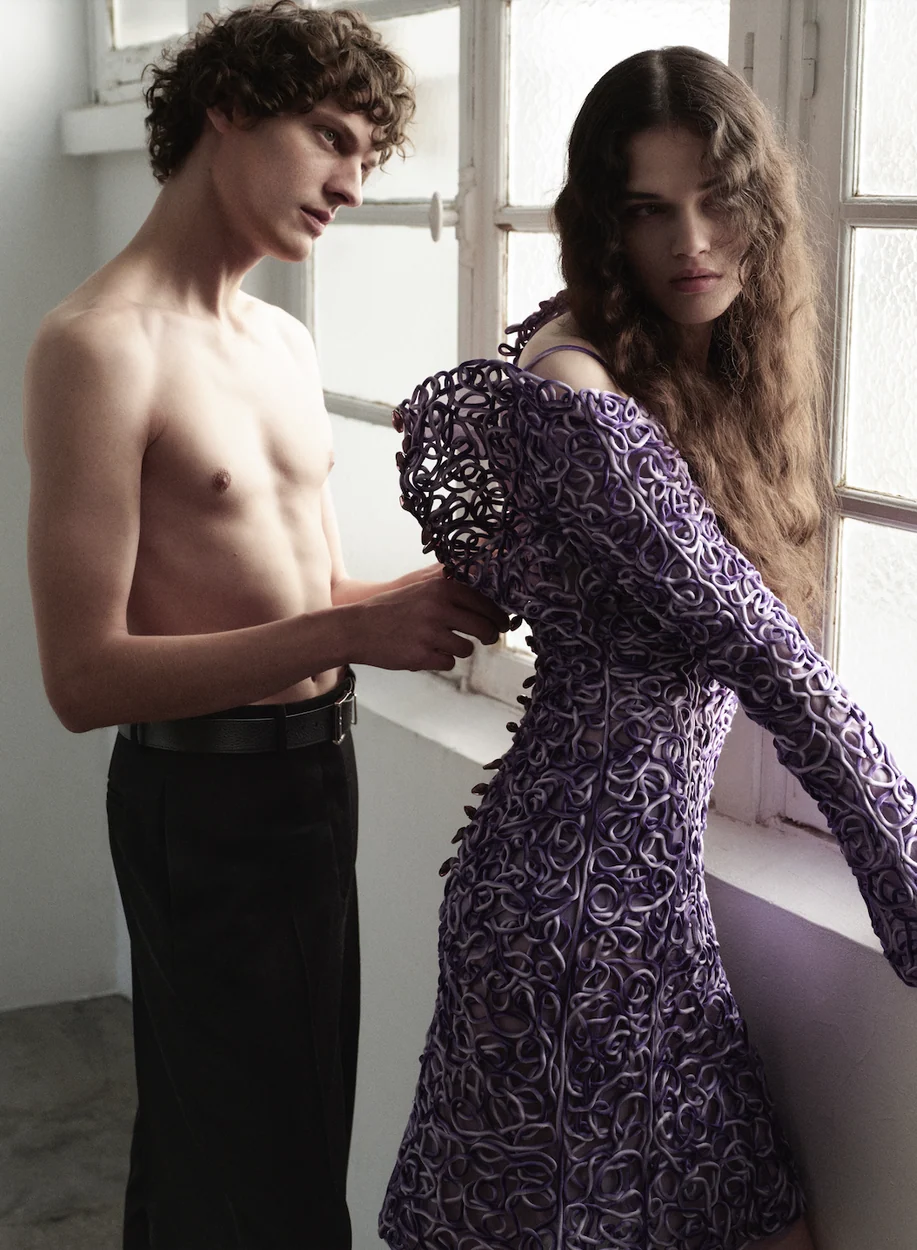
15 · Alvaro Beamud Cortés for V Magazine, V163Original image 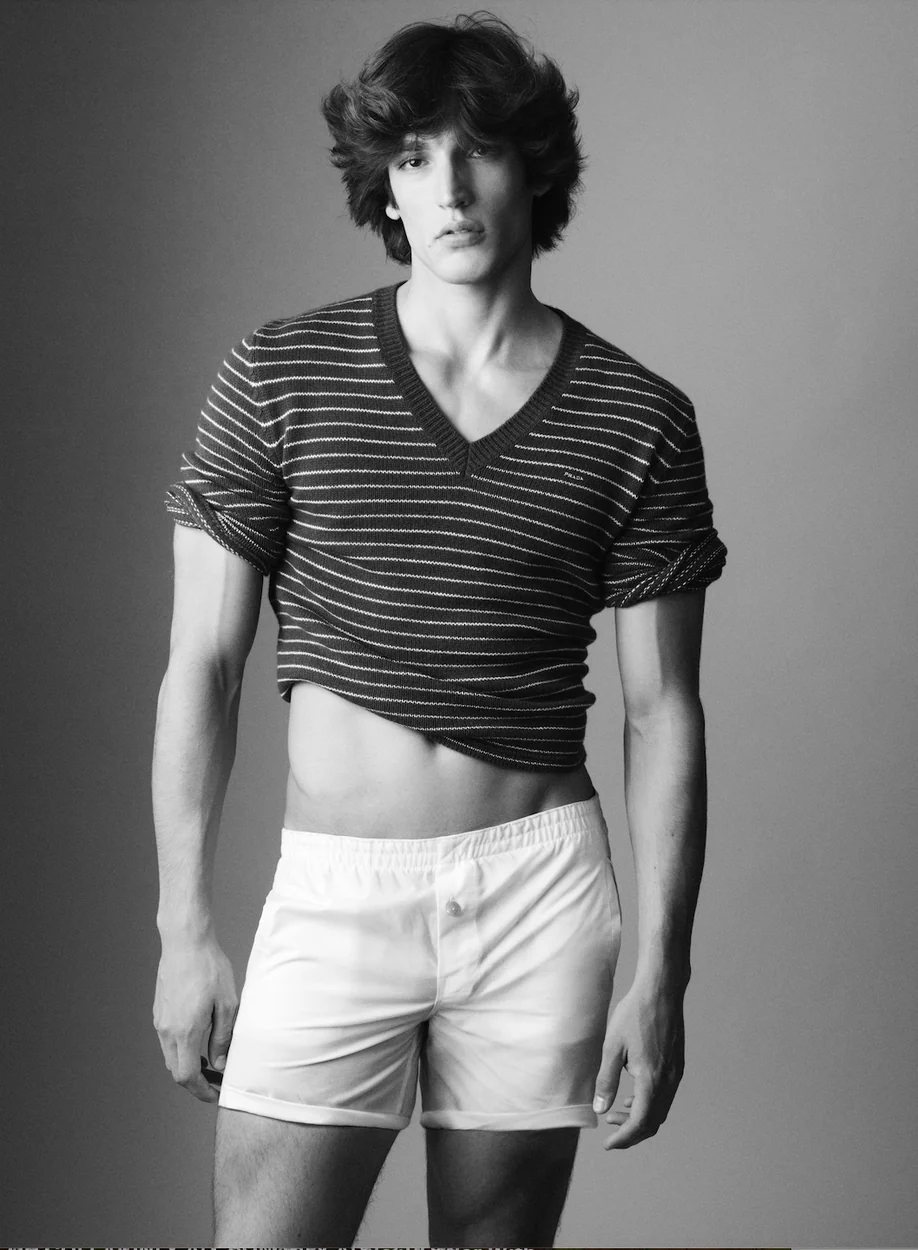
16 · Alvaro Beamud Cortés for V Magazine, V163Original image 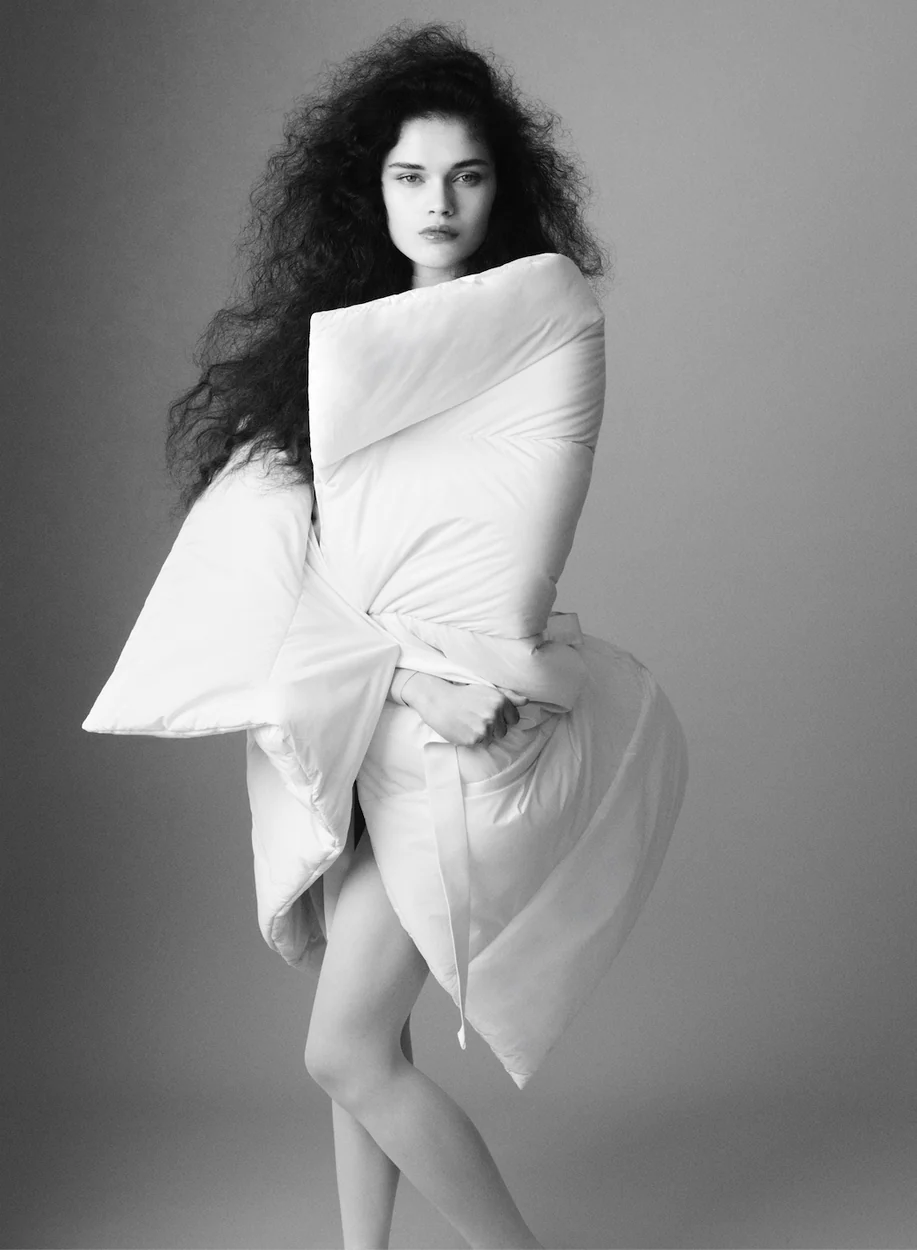
17 · Alvaro Beamud Cortés for V Magazine, V163Original image 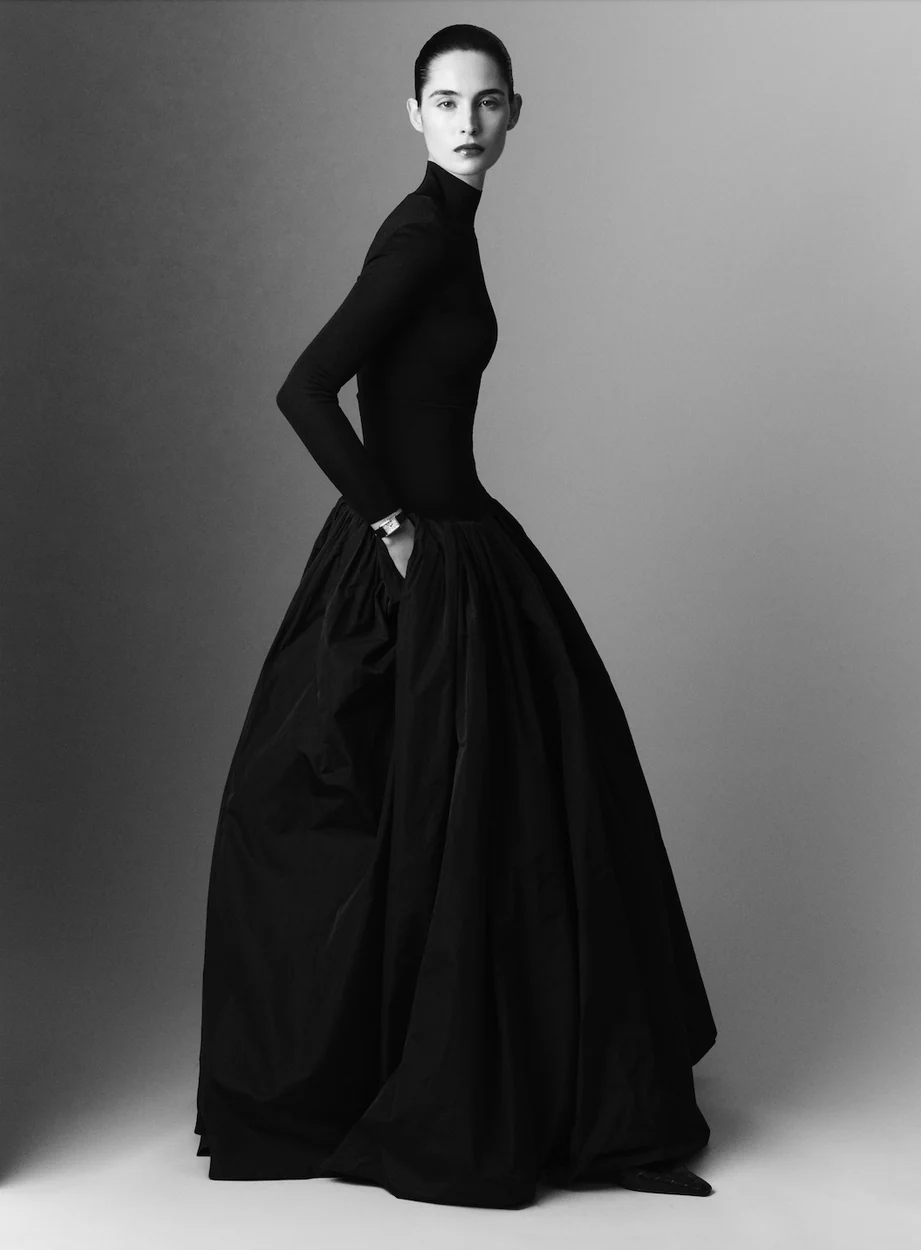
18 · Alvaro Beamud Cortés for V Magazine, V163Original image 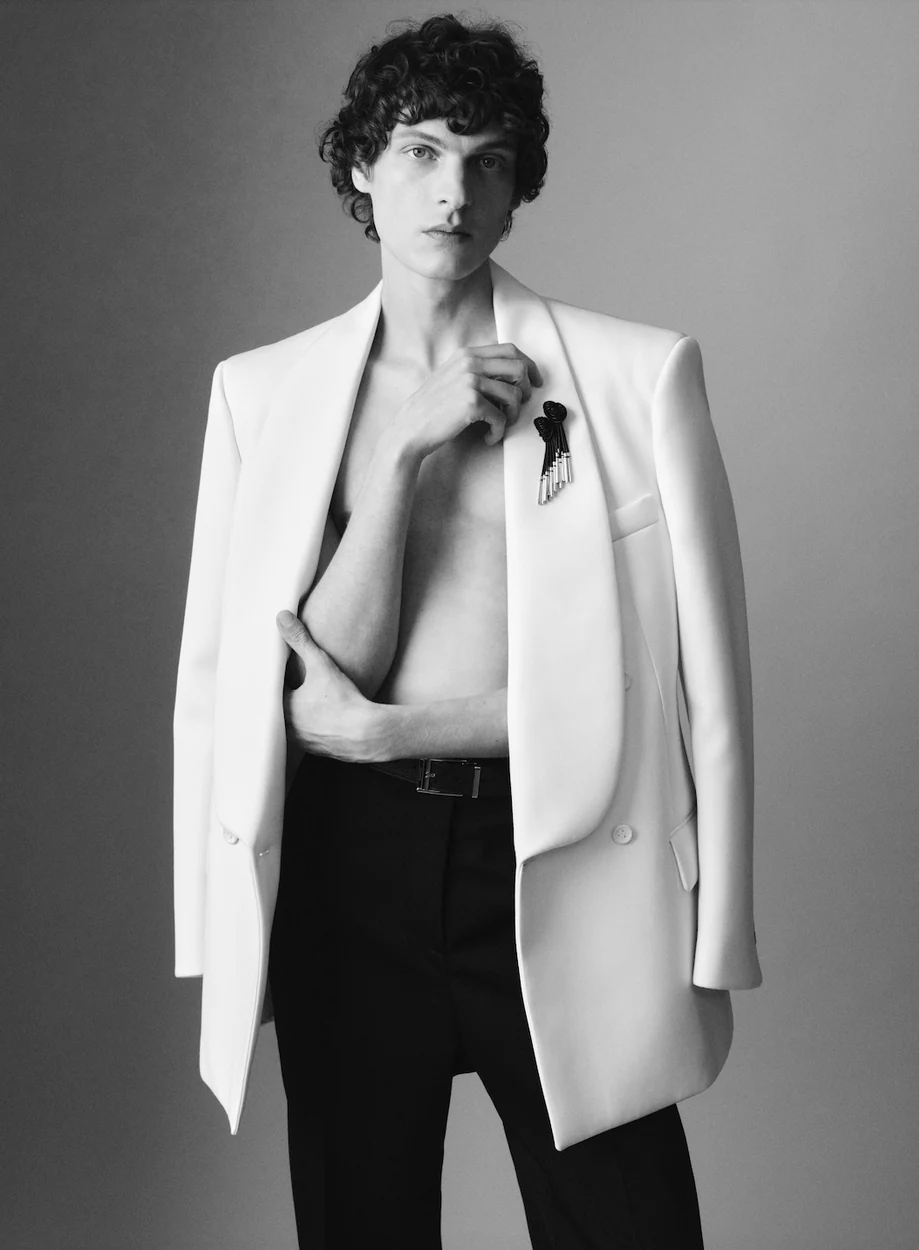
19 · Alvaro Beamud Cortés for V Magazine, V163Original image 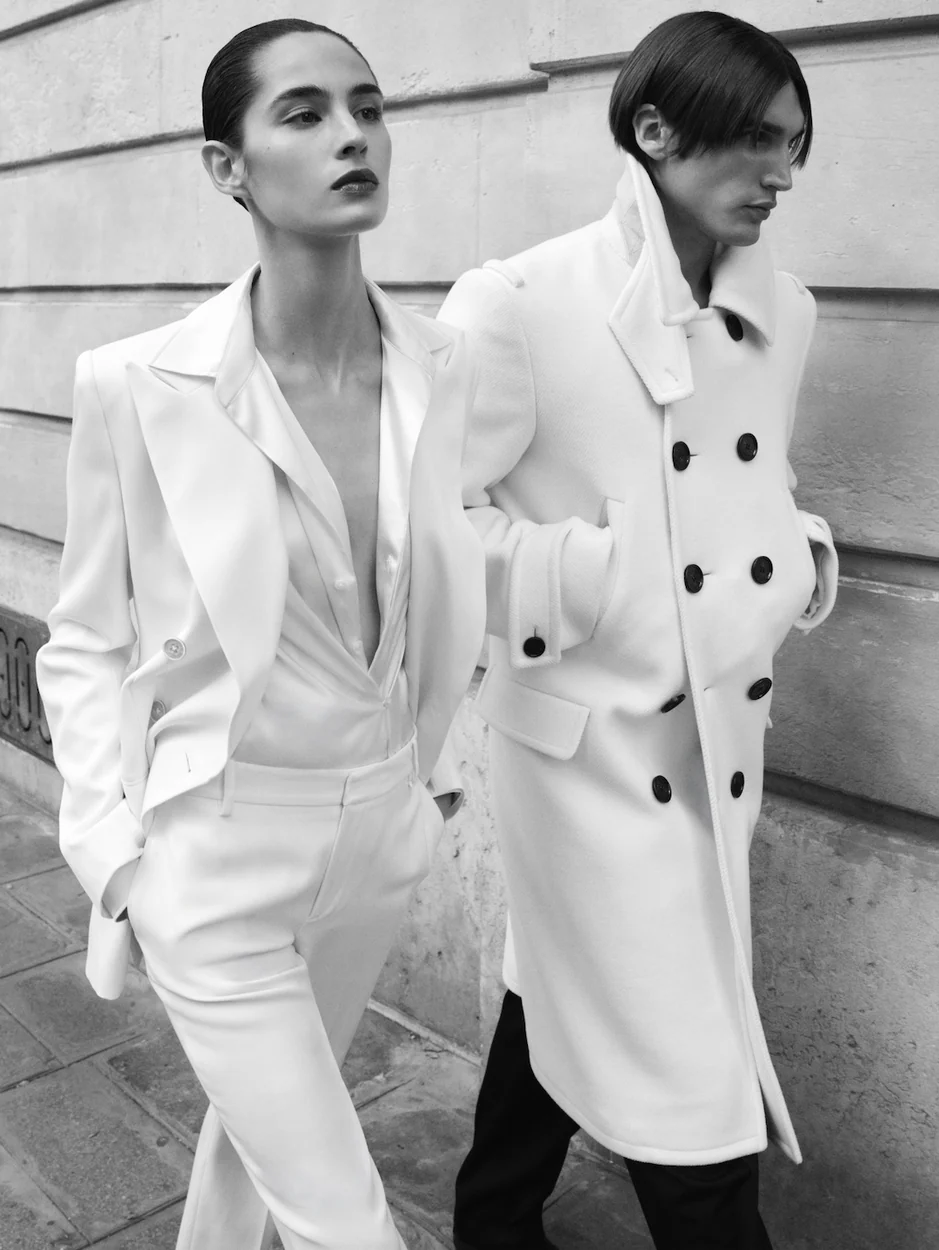
20 · Alvaro Beamud Cortés for V Magazine, V163Original image 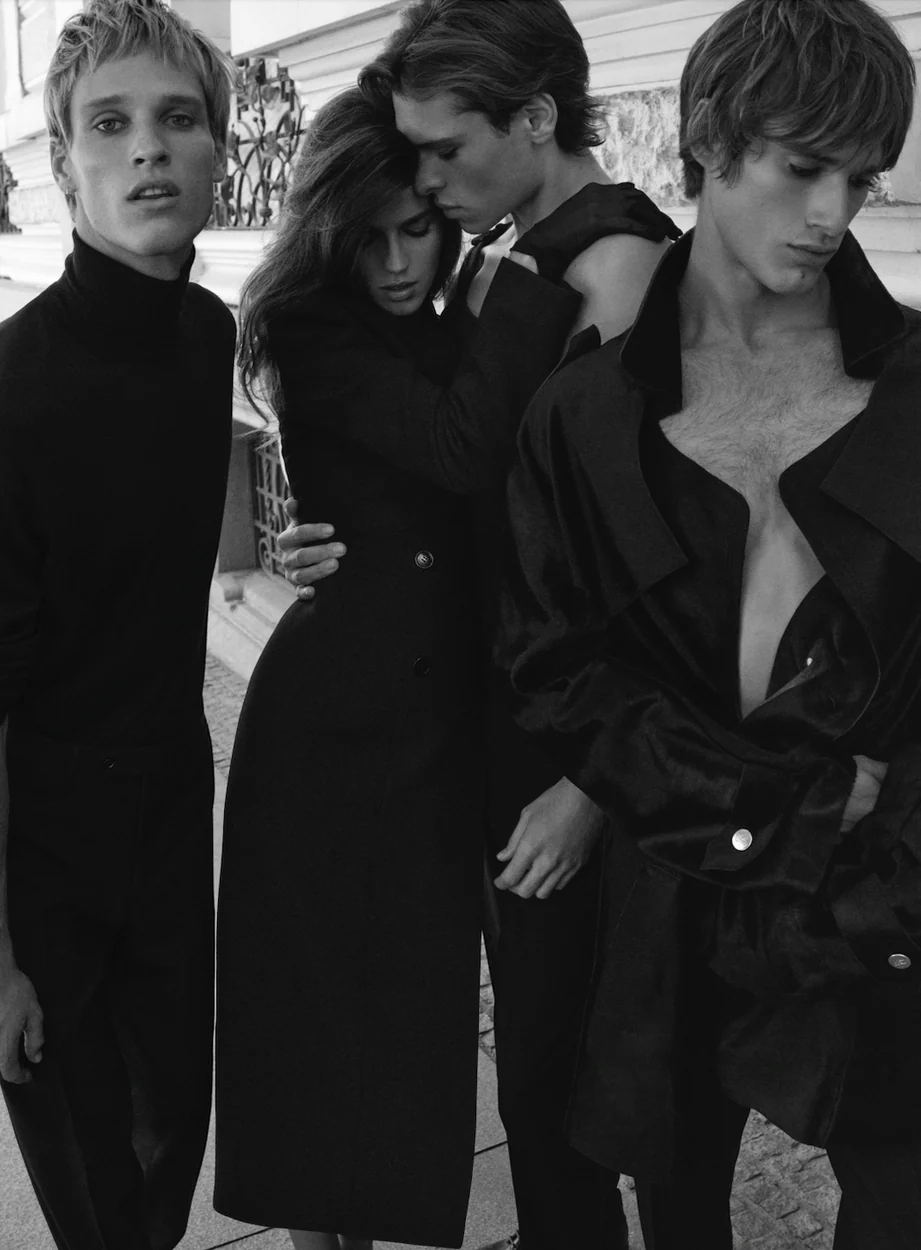
21 · Alvaro Beamud Cortés for V Magazine, V163Original image
What Nené makes possible
Daniels is interested in the way Nené commands a stage while revealing very little of herself to the men watching her. Cruz reads that split as a matter of survival. Singing gives Nené a brief space to act freely, and she can share it with someone she recognizes. In Sebastián’s case, the promise of Madrid makes freedom sound like a place he could actually reach. The scene is small in relation to the film’s historical span, but it gives a young man an address for a future he has barely begun to picture.
What a first role leaves behind
Lafuente Calvo tells Daniels that the experience was hardest to process after filming. Rehearsing for several months and shooting in Cantabria gave him the practical work of finding Sebastián. What stayed with him afterward was the cost of never having the space to discover who you are. That distinction makes his account of acting interesting. The end of a shoot gives a performer a way out of the character’s circumstances, while the film asks the audience to sit with what happens when a person has no comparable exit.
The silence after the credits
Cruz recalls hearing that teenagers had booked morning screenings. Lafuente Calvo describes seeing the film again in Barcelona and noticing how long the audience stayed quiet as the credits rolled. Their accounts bring the conversation back to spectators. The film’s shifts in time connect different generations on screen, but the actors are equally interested in who shows up to watch together. In that sense, the cinema briefly does what Nené’s stage does for Sebastián. It gives people a room in which they can recognize an experience they might have struggled to name alone.
Off screen, a different kind of performance
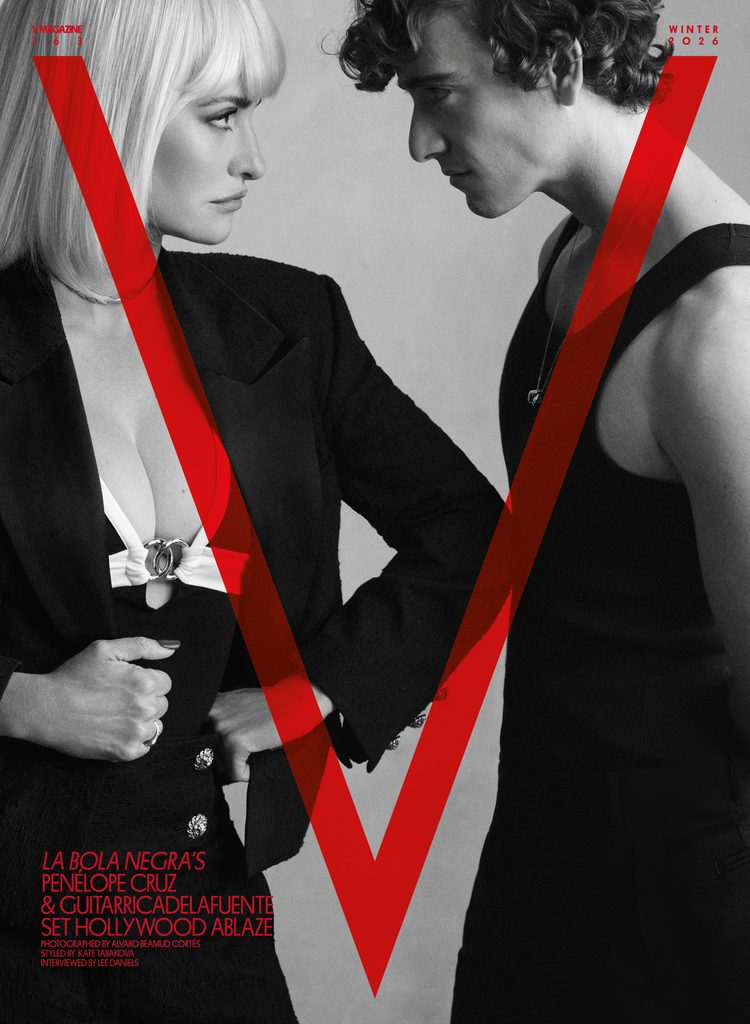
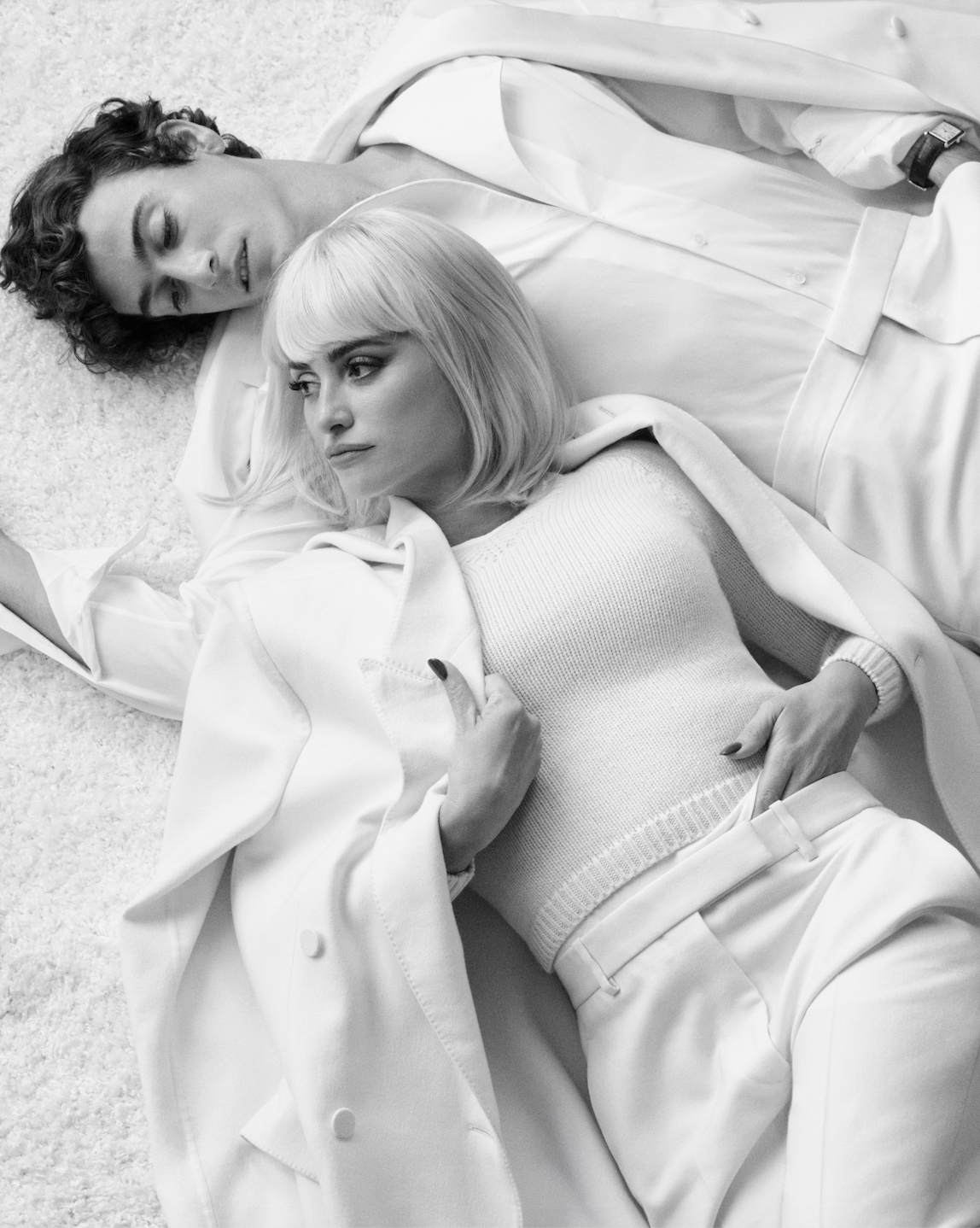
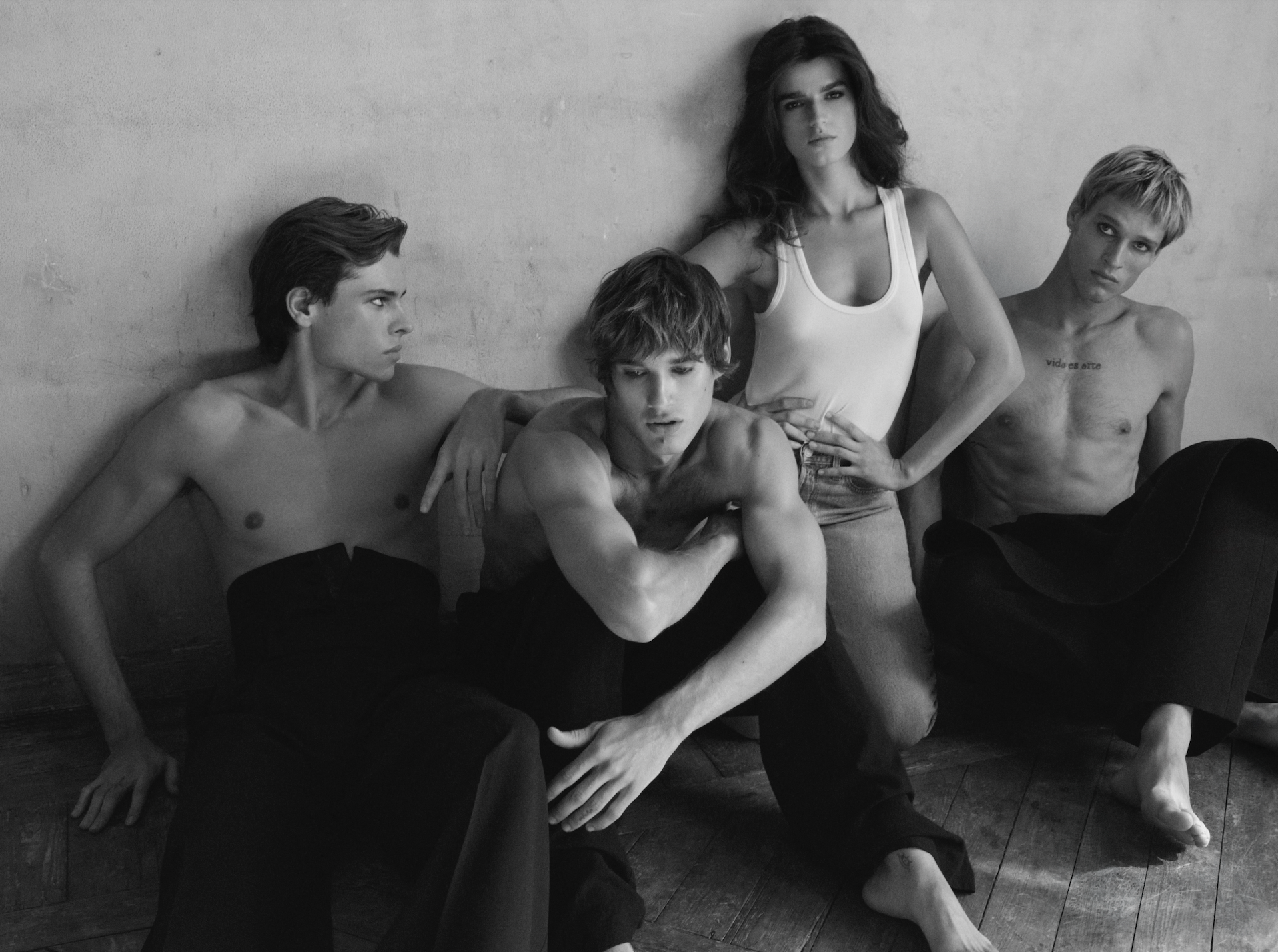
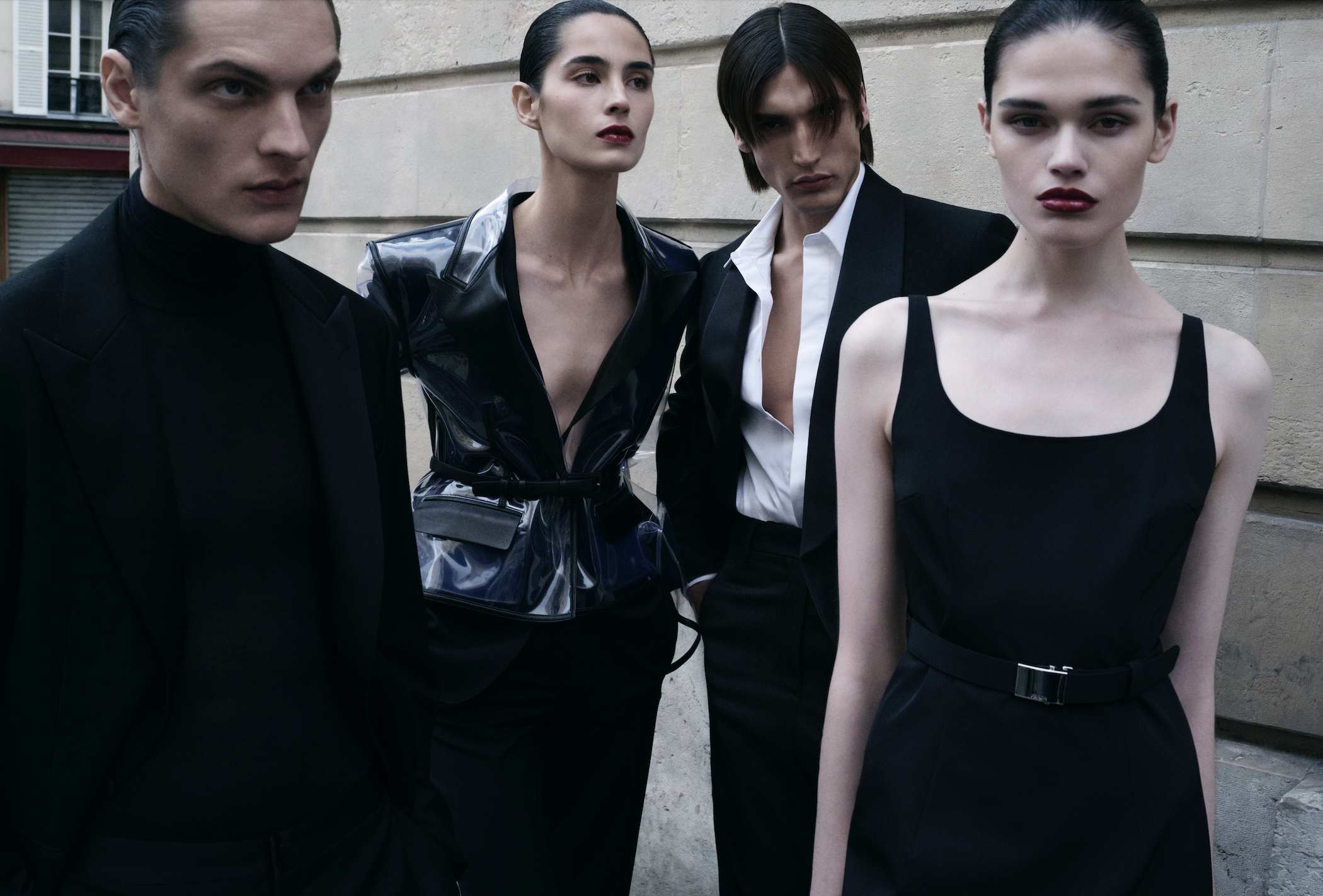
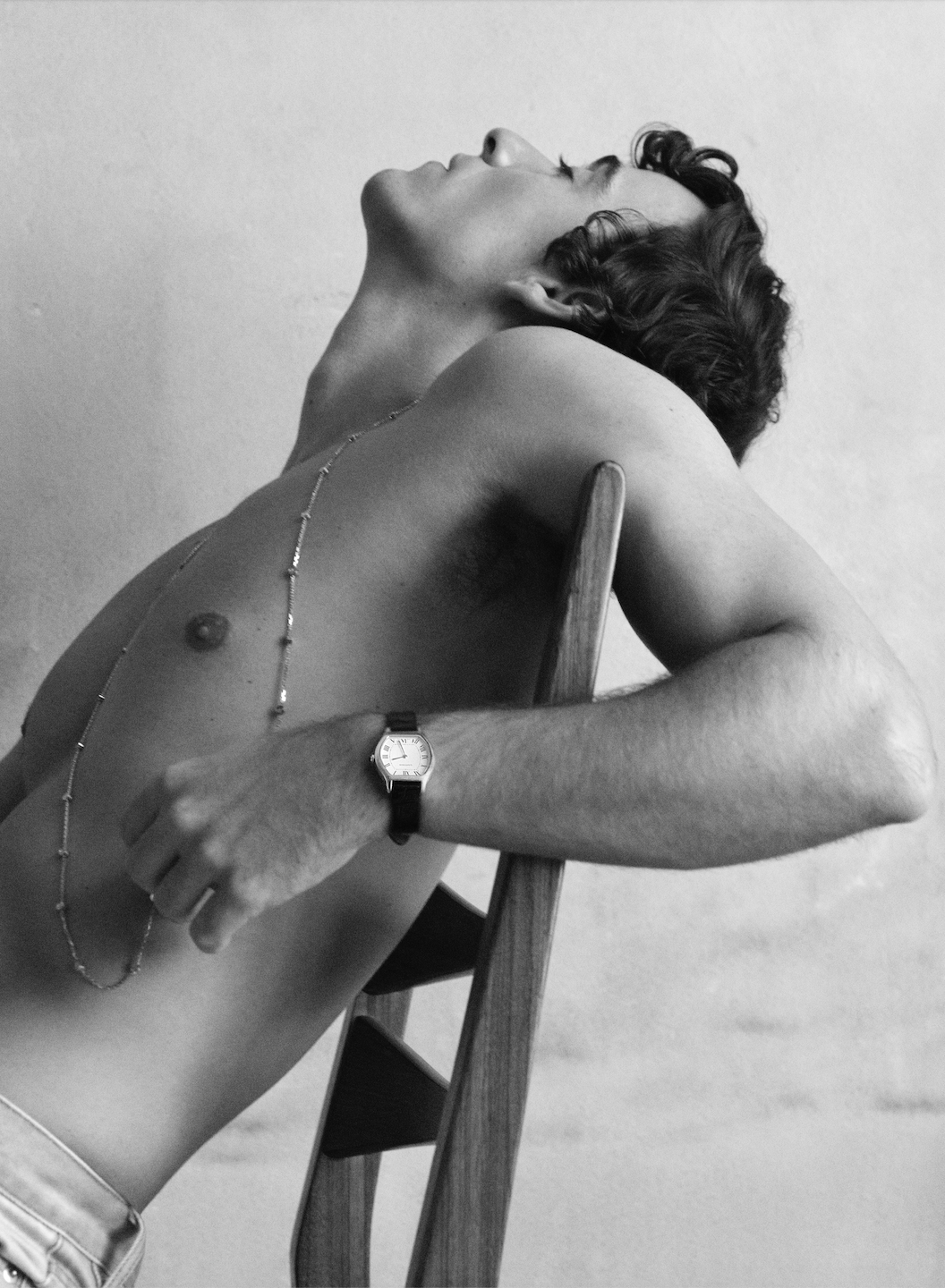
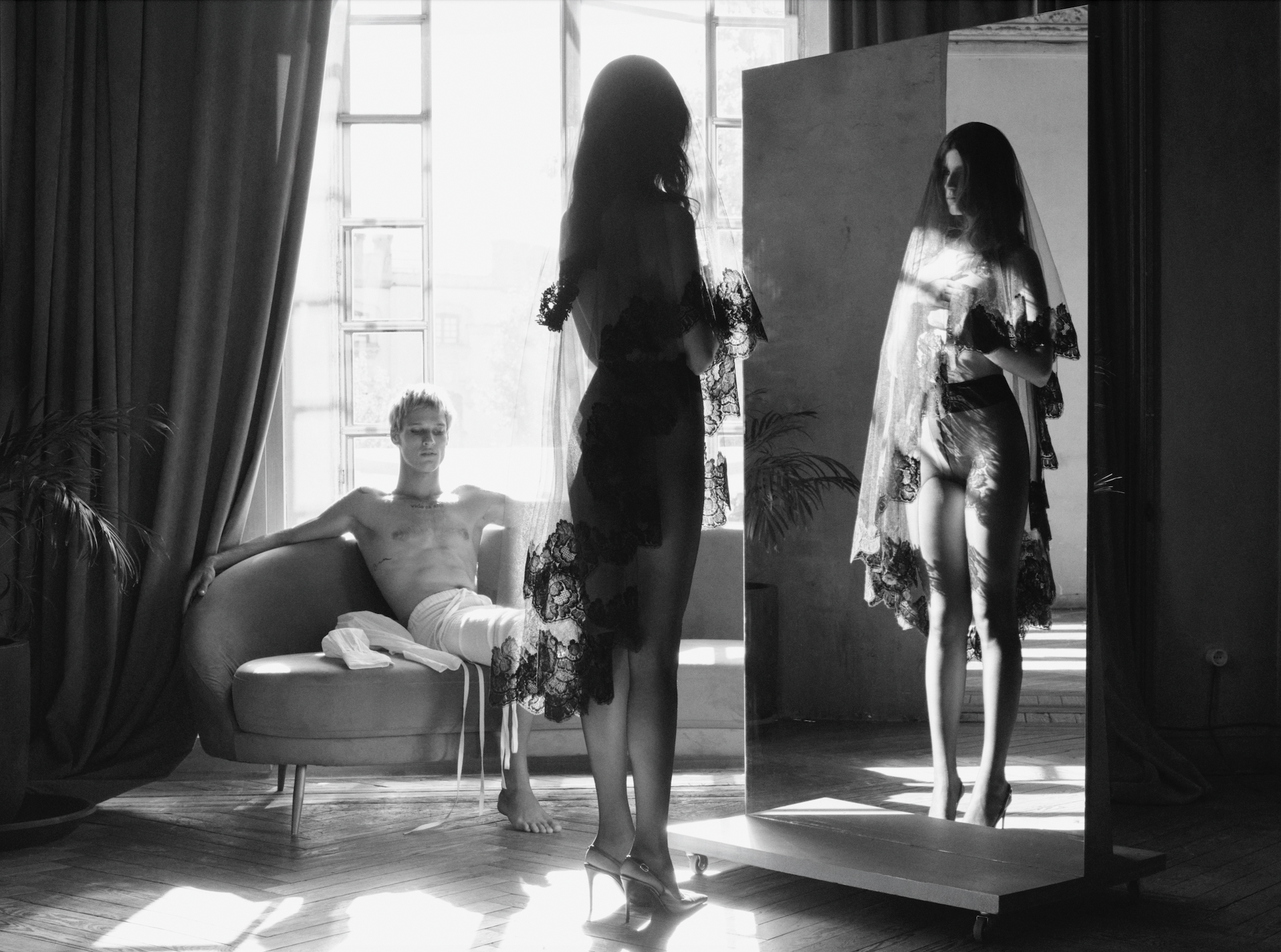
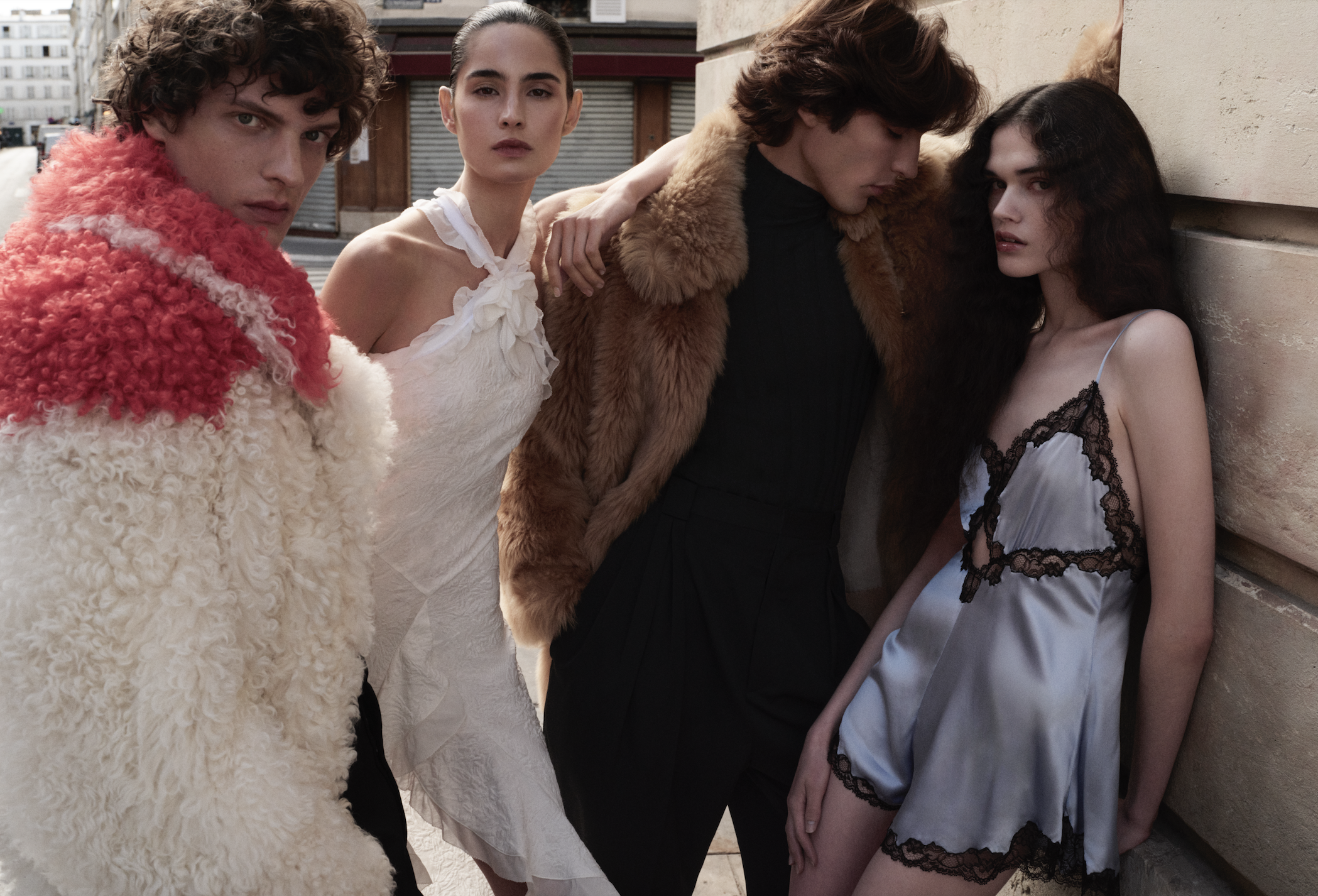
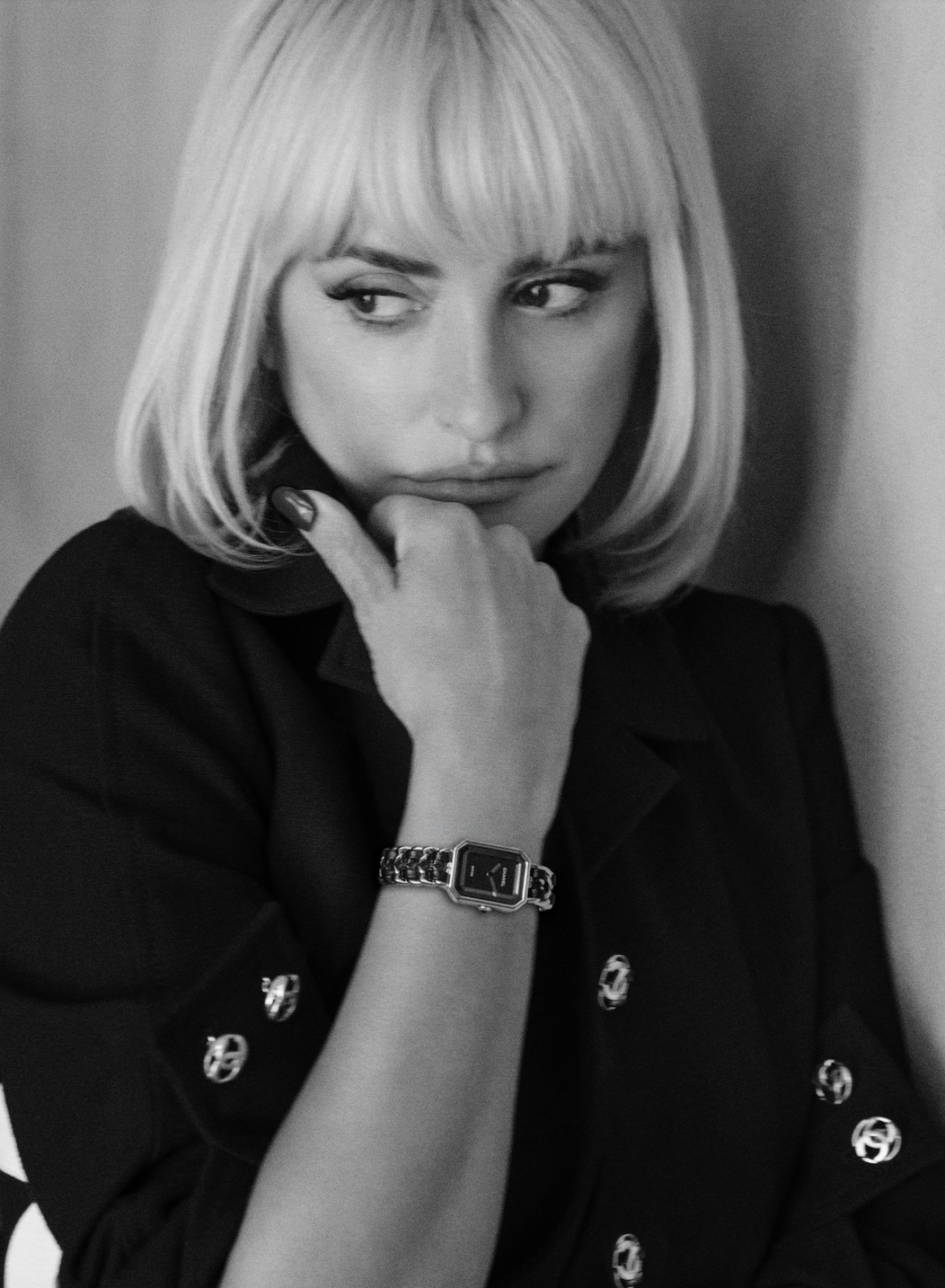
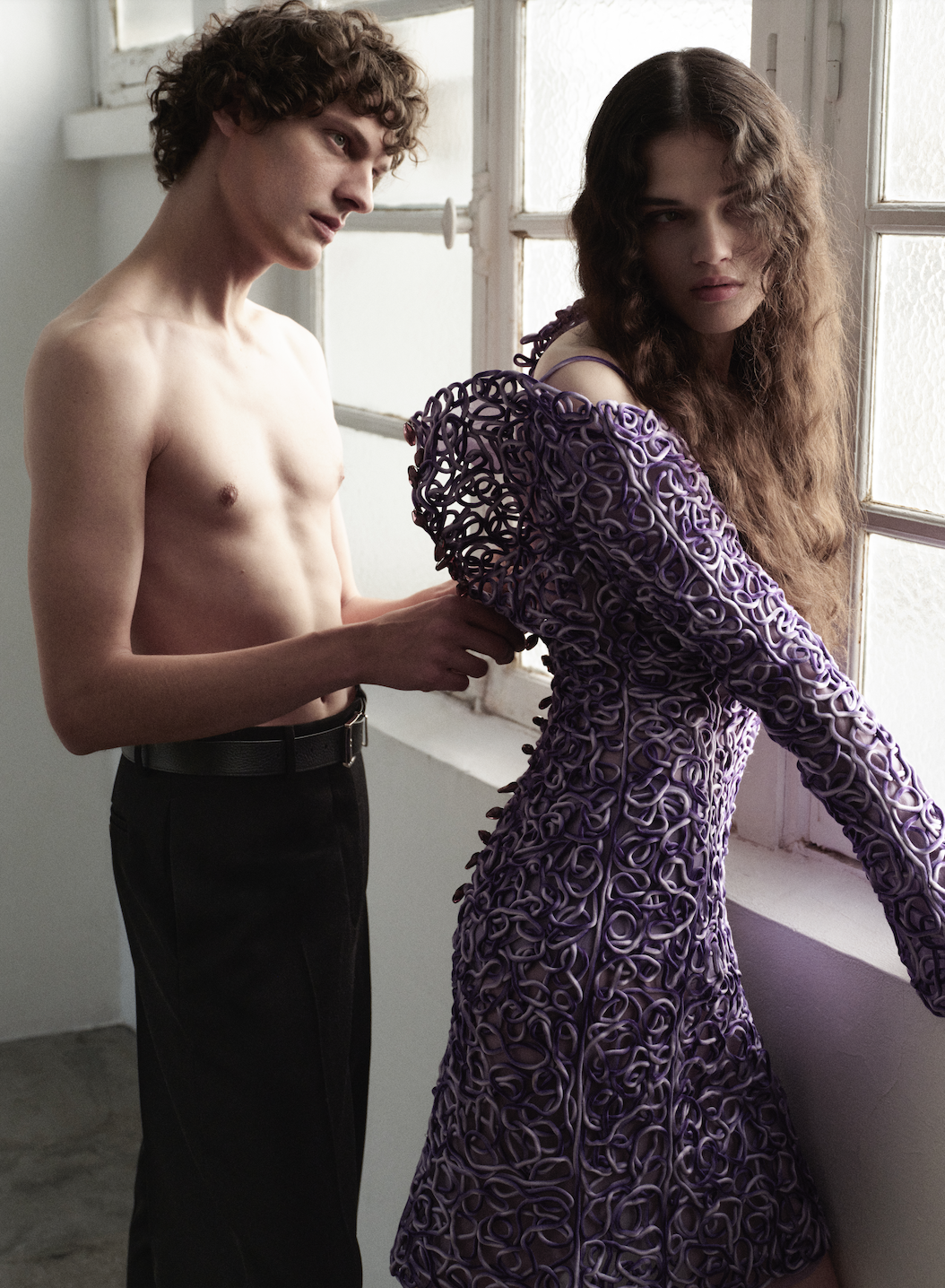
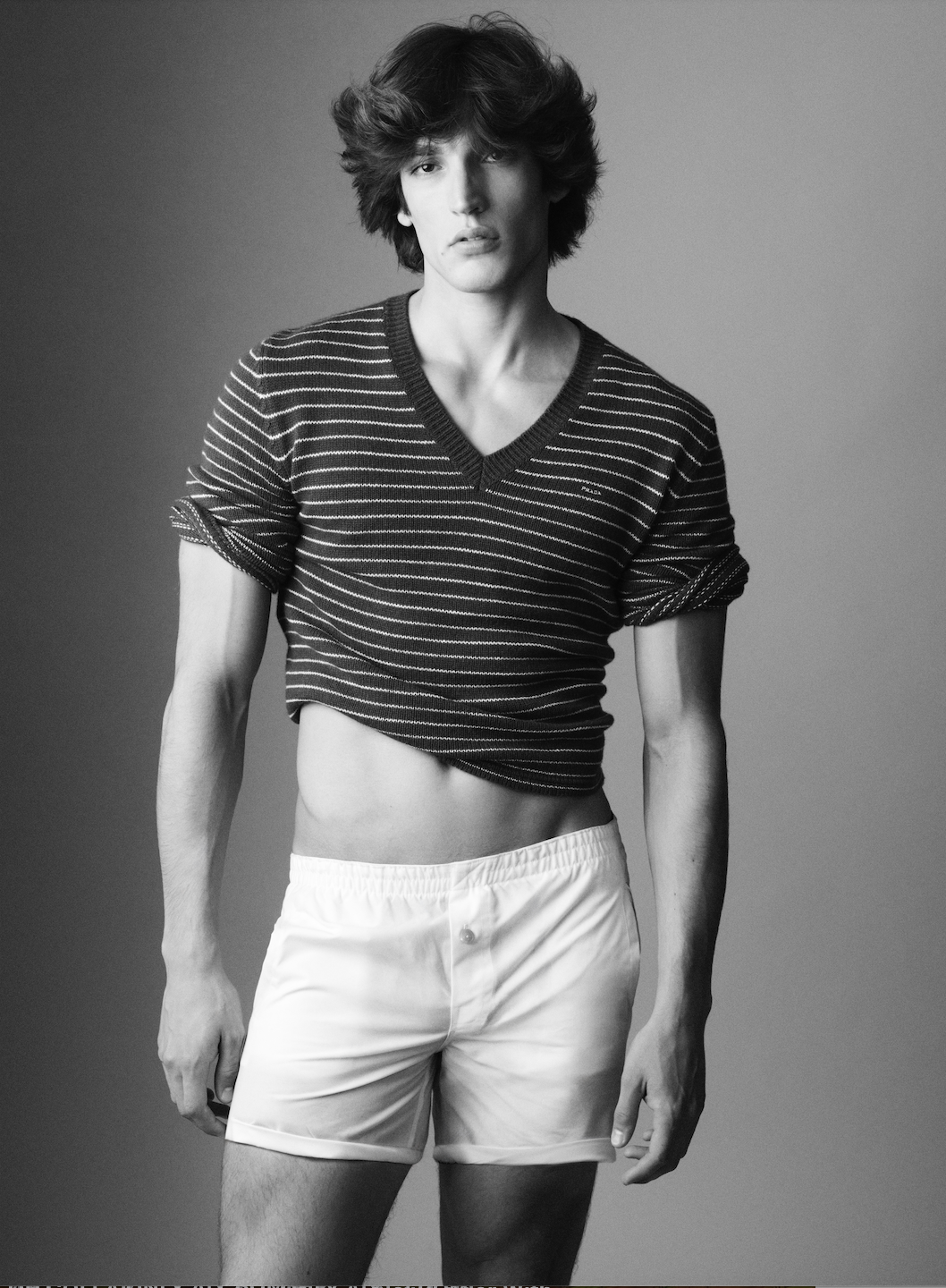
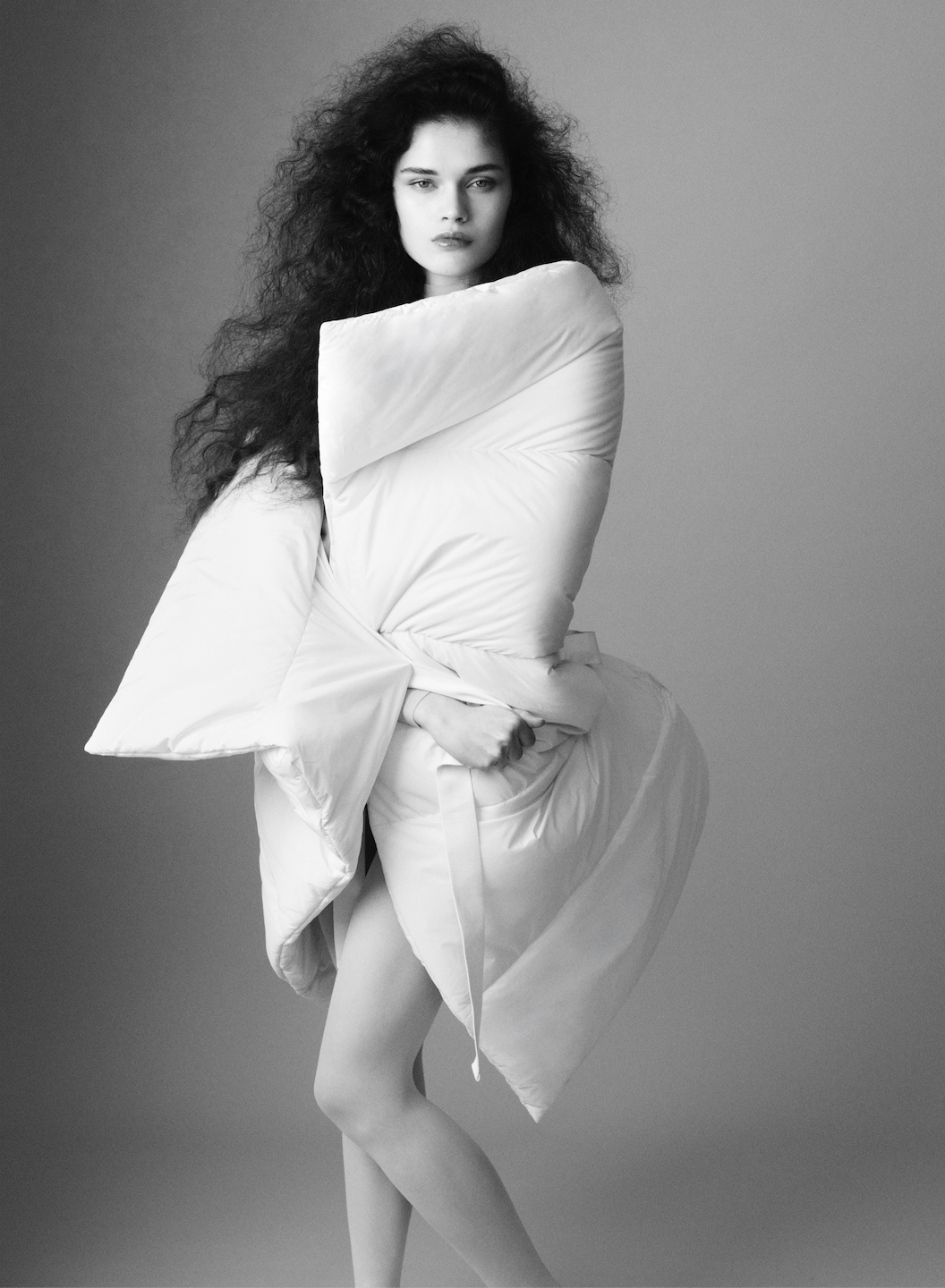
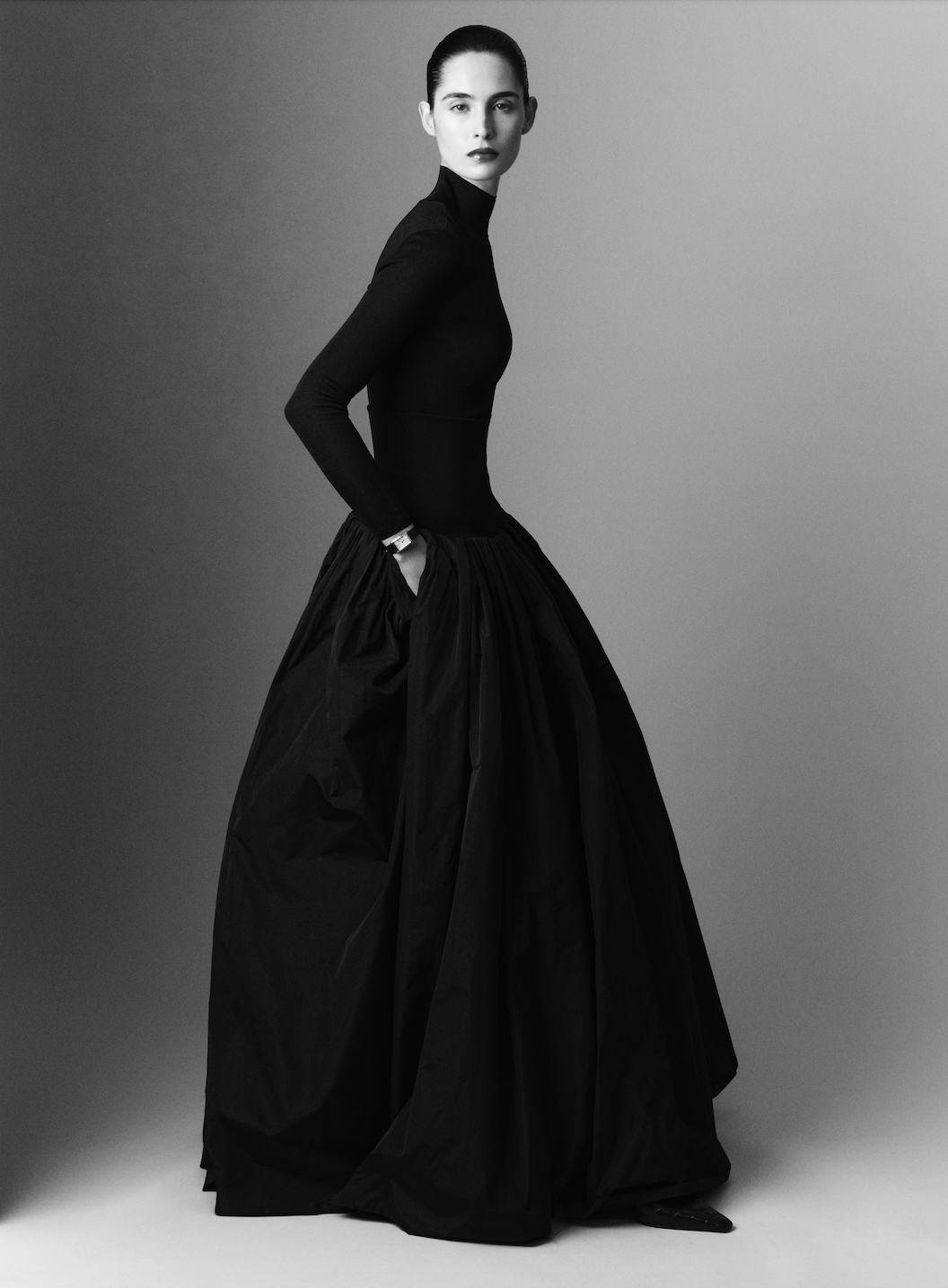
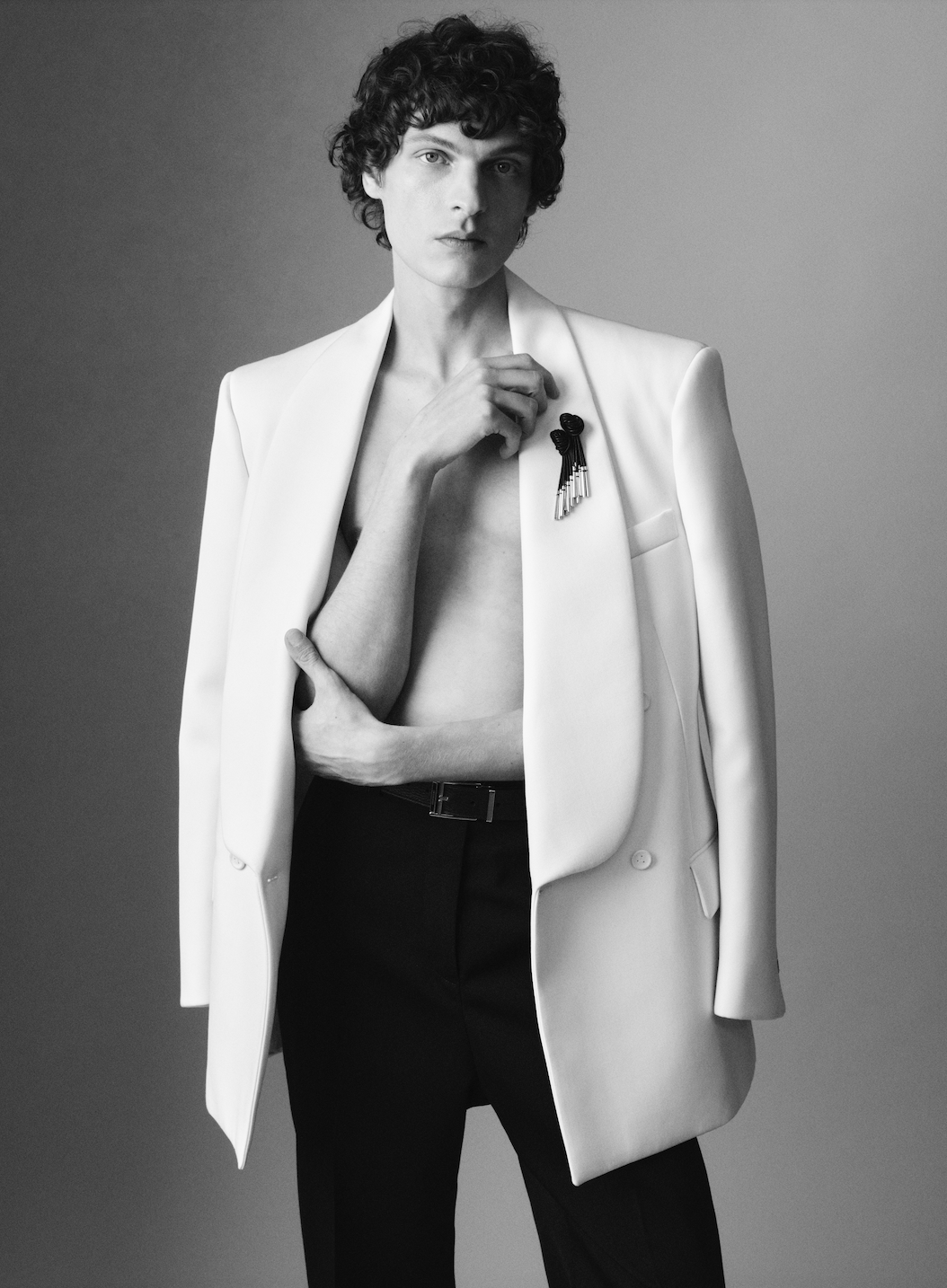
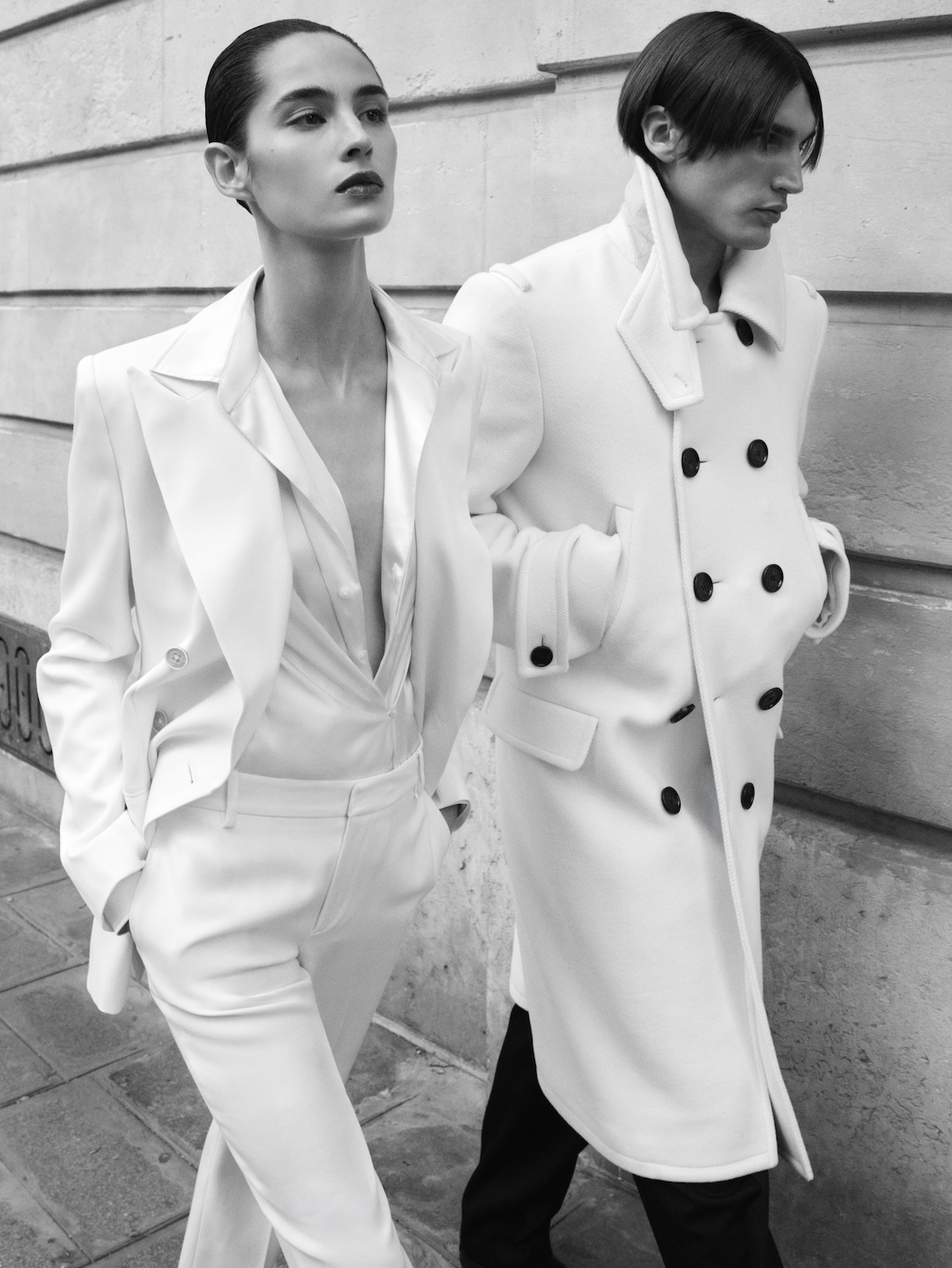
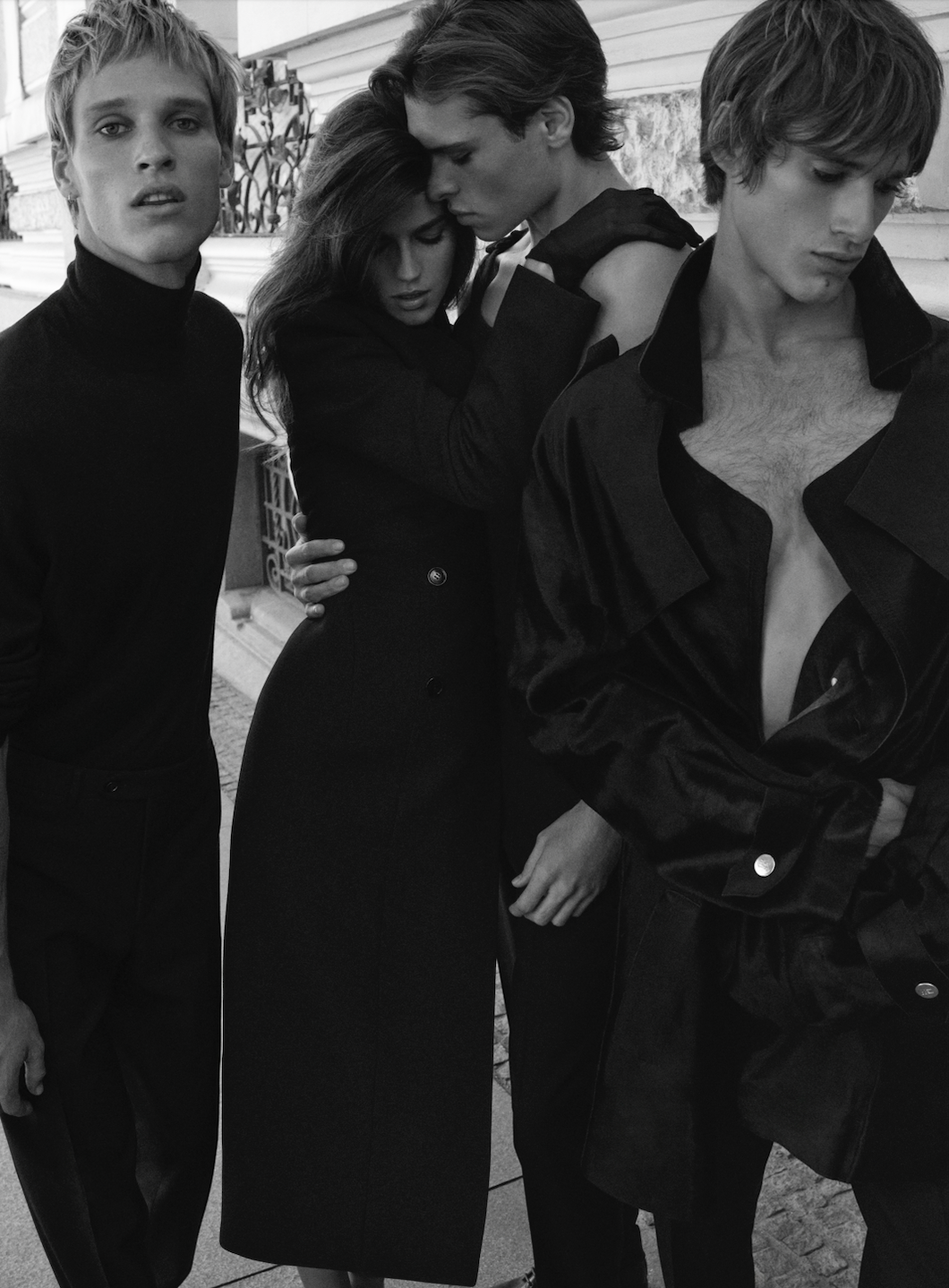
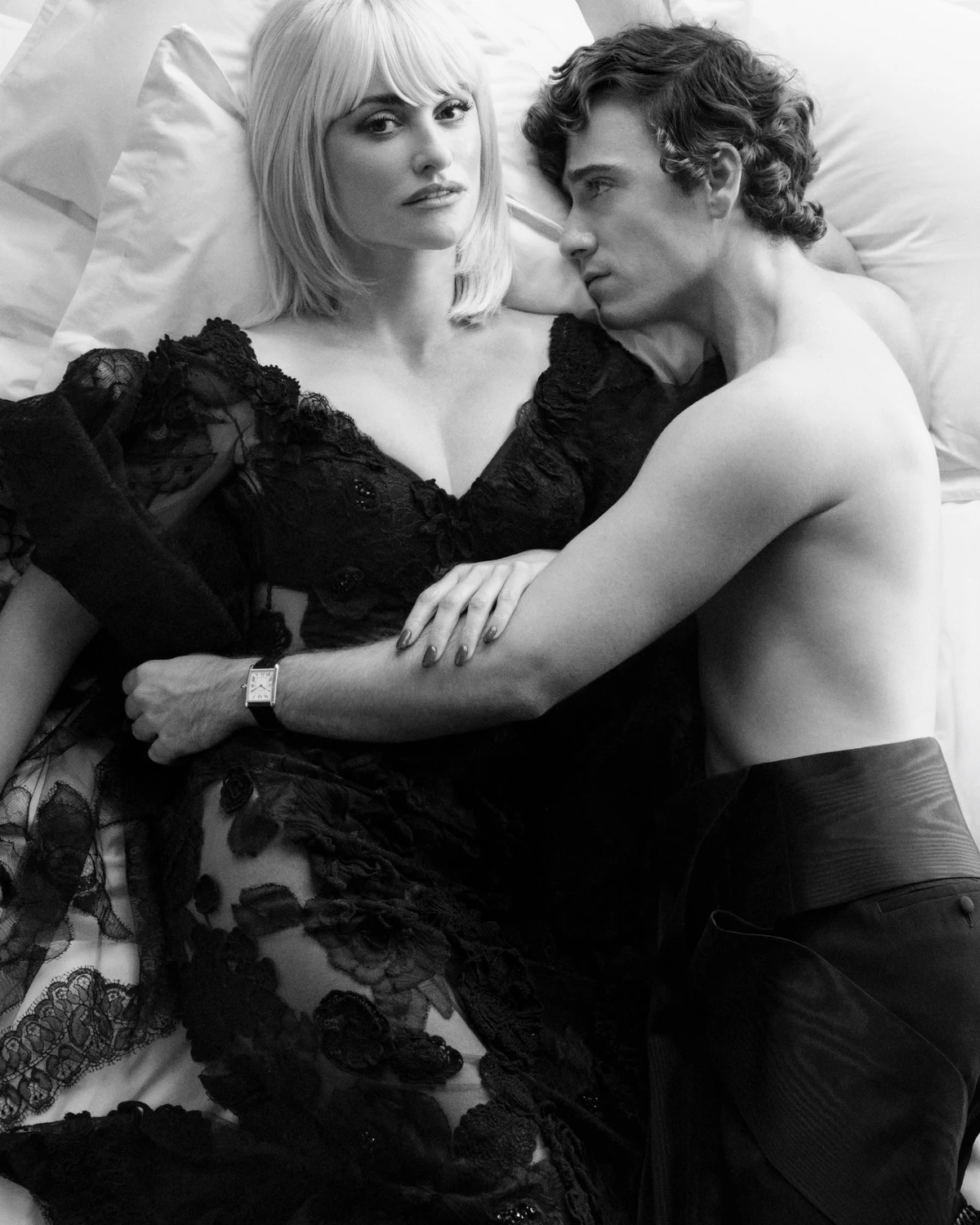
For V163, photographer Alvaro Beamud Cortés and stylist Kate Tabakova place the two performers close together in black and white. In one photograph they recline in pale tailoring. In the cover photograph, dark lace and a bare shoulder draw the eye to how the two figures lean into one another. The pictures give the stars a kind of physical ease that Sebastián can only imagine for much of the film.
Read the original V Magazine cover story and interview, published November 3, 2026.
Original photography and production credits
- Publication
- V Magazine, V163, Winter 2026
- Photography
- Alvaro Beamud Cortés
- Fashion styling
- Kate Tabakova
- Creative direction and editor-in-chief
- Stephen Gan
- Original interview and text
- Lee Daniels (interview), Elyssa Goodman (text)
- Models
- Yeray Allgayer, Gonzalo Allgayer, Paula Anguera, Cameron Smet, Kirill Karpenko, Valentin Caron, Africa Peñalver and Lucy Rosiek
- Hair and makeup
- Pablo Iglesias (Penélope Cruz), Miky Vallés (Guitarricadelafuente), Sayuri Yamashita (model makeup), Mijo Majhen (model hair), Amparo Sánchez and María Andrés (model hair and makeup)
- Manicure
- Lucero Hurtado (Penélope Cruz)
- Editorial and fashion market
- Mathias Rosenzweig (digital director), Kev Ponce (editor), Gabby Buchan (fashion market editor)
- Casting
- Greg Krelenstein (talent), Goran Macura (models)
- Production and set design
- Mayca Márquez (executive producer), Elena Cimarosti and Antonio Lonis (models), Miriam Velo Lorenzo (set design), Carlota García-Velasco (production manager)
- Photography and digital team
- Simone Triacca, Remi Desclaux, Ayub El Kadmiri, Lorenzo Touzet and Javier Torrente
- Styling assistants
- Vladi Avksenenko and Liliane Rancao
- Hair and makeup assistants
- Kilpatrik Rodriguez, Tracy Nguyen and Mafer Astudillo
- Production assistants
- Jaime Ballesteros, Javier García-Velasco, Alejandro Arroyo and Carlos Alonso
- Editorial film and model location
- Mynxii White (film director), Studio Astre (location)