
Steven Wong’s Furinkazan Izakaya: Japan Is Closer Than You Think

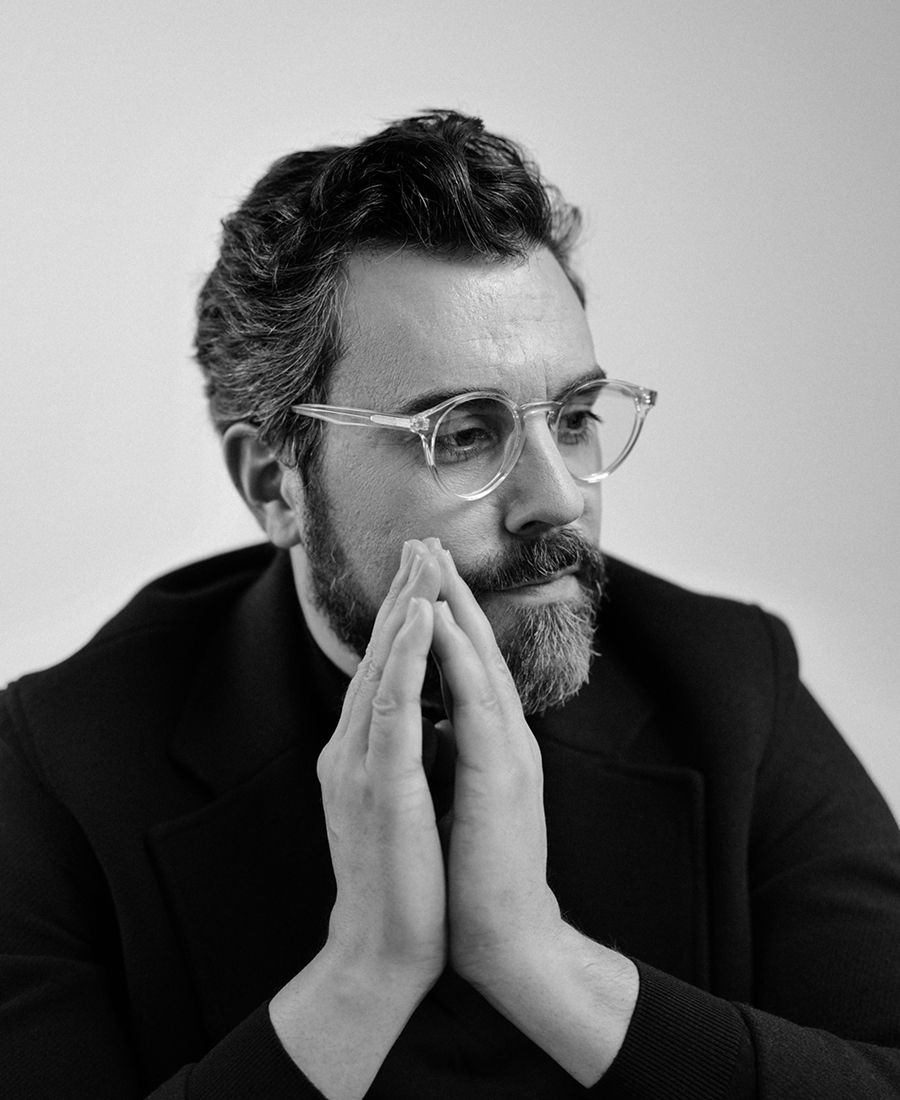
A lifelong dream, two decades in Japanese kitchens, and a city he calls home: Steven Wong brings all three to Furinkazan Izakaya. Born and raised in Ho Chi Minh City, Vietnam, as the only son in a family of seven children, Wong grew up alongside six sisters. He began his culinary career as an apprentice after high school. Japanese cuisine caught his eye for its beauty, then held his attention through the skill, patience, and respect for tradition behind every dish.
Calgary has been his home for 26 years, but his travels to Japan helped shape the restaurant he wanted to create here. He was captivated by the izakaya: the lively conversations, the company of friends, and the pleasure of a well-prepared meal. Today, as Furinkazan’s owner and Head Chef, he brings those influences together with a simple ambition: to make stepping through his door feel like the beginning of a journey to Japan.

HASEL Magazine: Steven, Opening a restaurant requires courage, patience, and a strong sense of purpose. What gave you the confidence to take that step?
Honestly, I don’t think you ever feel completely ready. I had wanted to open a restaurant for years, and working in Japanese kitchens gave me a foundation I could trust. My mentors taught me the craft, but the decision to build something of my own had to come from me.
What helped was having a clear idea of what I wanted to create.

After visiting Japan, the Izakaya experience stayed with me—the food, the lively conversations, the feeling of settling in with friends. I wanted to bring that to Calgary, the city I call home.
There was still uncertainty. But eventually, the excitement of seeing that idea come to life became stronger than the hesitation.
HASEL Magazine: What first attracted you to Japanese culture, and how has your understanding of it developed over the years?
Food was my way in. I was drawn to how beautiful Japanese dishes looked, even when there were only a few things on the plate. As a young apprentice, I wanted to understand how to make something like that.
The longer I worked, the more I appreciated what you don’t see: the preparation, the repetition, the patience it takes to get a detail right. My mentors helped me understand that technique and respect for tradition go together.

Travelling to Japan gave me a wider perspective. Things I had learned in the kitchen became part of a bigger picture—how food is served, enjoyed, and woven into everyday life. I’m still learning. That’s one of the things I enjoy most about it.
HASEL Magazine: The name “Furinkazan” has a fascinating connection to samurai history. What does the name mean, and why did you choose it for the restaurant?
Furinkazan means “wind, forest, fire, and mountain.” It’s associated with the samurai leader Takeda Shingen and expresses the idea of being swift as the wind, calm as the forest, fierce as fire, and steady as a mountain.
What appeals to me is the balance between those qualities. In a kitchen, you need energy and speed, but you also need patience and a clear head. And running a restaurant takes that same balance—you have to adapt while staying consistent in what you offer.
I wanted a name with character and a connection to Japanese history. Furinkazan gives us something to live up to, every day.

HASEL Magazine: If someone is visiting Furinkazan for the first time, which dishes would best introduce them to the restaurant’s identity?
II’d suggest trying a few dishes to share. Choose something light and delicate, something warm and savoury, and one thing you wouldn’t usually order. That gives you a chance to explore different flavours rather than judging the whole restaurant by a single plate.
I’d also ask what you enjoy eating. A recommendation should start with the person at the table. Some guests want familiar flavours; others are happy to let us guide them.
For me, that curiosity is part of the izakaya experience. You taste something, pass it around, talk about it—and suddenly you’re reaching for another bite.
HASEL Magazine: Was there a moment when you realized that the people of Calgary had truly connected with your concept?
I don’t think there has to be one big moment. For me, the strongest sign would be someone returning with a friend and saying, “You have to try this.” That means the experience stayed with them enough that they wanted to share it.
Calgary has been my home for 26 years, so opening Furinkazan here is personal. I want it to become somewhere people choose for their own reasons—a catch-up, a celebration, or dinner after a long week. When a restaurant finds a place in someone’s everyday life, that’s a meaningful connection.

HASEL Magazine: Do you see Furinkazan as more than a restaurant—as a place where people can also discover and experience Japanese culture?
Yes, absolutely. You can discover a lot about a culture through a meal—how it’s prepared, how it’s served, and how people enjoy it together. I want that discovery to feel natural here. You might come in for dinner and find yourself curious about a dish, an ingredient, or something in the room.
My visits to Japan left me with impressions that went beyond the food. I loved the energy of an izakaya, where careful cooking and lively conversation belong together. That’s what I hope to share at Furinkazan: a little of the Japan I experienced, here in Calgary, with room for guests to make their own discoveries.


Comments